

 The franchise development process requires effective marketing and selling to get the franchise network up and running. Franchise systems that do well in the early stages typically have a strong sales and marketing focus and the leadership many times excel in sales to a large degree. As the franchise system expands and the business matures, the need for operational management and support becomes a bigger issue and of greater importance to the success of the franchise brand. This transition from sales to support can be cumbersome for some organizations and business leaders making the franchise development process difficult. As an entrepreneur considering whether to franchise your business model, this dynamic should be understood and evaluated prior to launching a new franchise system. Start with a self-evaluation and understand what you are good at and what you are not good at, it’s ok to have weaknesses, it’s not ok to pretend you don’t have them. Great Franchisors have weaknesses, but they understand what they are and know when to hire people to manage the aspects of the business they can’t handle on their own in order to achieve long term success.
The sales component of franchising requires several key elements to be effective and should be defined up front in order to successfully sell your franchise model. First, have a great brand and image in place so that you look, present and show your best to prospective franchise investors. Your website, logo, store design, consumer marketing materials and anything that presents who you are needs to be done right and done well. Second, understand where franchise investors look to buy franchises and what it takes to get your brand in front of them. Yes, it cost money to advertise your franchise and yes you will need to intentionally drive traffic to your franchise offering. Plan on a marketing and advertising your brand as a franchise to put the offering in front of the right people. Finally, franchise sales takes focus, time and effort to make it work. If you aren’t interested and capable of selling larger investment opportunities, find someone who is and can focus on the sales effort to get results from your franchise sales campaign.
The operations and support side of the business is a different set of responsibilities and focus. After the franchise system gains traction, the support, training and operating responsibility to the franchisor becomes enormously important. Good franchisors have excellent training systems and operational support structures in place. Franchisees expect to see value from the relationship following the purchase transaction which can be a difficult dynamic for the franchisor to continue showing franchisee’s reasons to pay a royalty. Franchisor’s who excel in operational and management support are comfortable doing regular site visits, have excellent franchise marketing systems in place to help franchisee’s market and build their business and look at their franchisees as partners in the business with them. They believe that the franchisee’s success in the network is their success and everything they do relates back to helping franchisees improve their bottom line and see more value in being part of the network.
Christopher Conner
President
Franchise Marketing Systems
Chris.Conner@FMSFranchise.com

 Franchising is a marketing and selling business which many times is driven by publicity and exposure for the brand. Some great franchise systems were successful in their franchise recruiting efforts almost entirely by being effective at developing great PR for the brand. What is Franchise PR? Public Relations is exposure for a brand by using credible sources to publish information and stories on the brand, what makes franchise PR unique is a focus on exposure through resources that are relevant to franchise investors.
 At the forefront of any good business model is a great marketing system. Franchising is the art of duplication, so it makes sense that a solid franchise investment offers an excellent franchise marketing system. The best franchises in the world are often closely correlated with the best marketing minds. What effective franchise leaders have been able to do in their execution of a franchise development program is to define a target customer base, build strong messaging to that customer and build a plan to put the brand in front of that customer as frequently and efficiently as possible. In the end it’s really pretty simple, the good franchises have marketing figured out.
 What makes the difference between a good business and a great business? There are so many good businesses out there, why do most of them level off at “good” and never transition to “great”. In our experience working with businesses and helping determine whether a brand should expand through franchising, this discussion and the dynamics of this scenario are reviewed many times over. Really, any business that is even considering franchising tends to be a “good” business. They have proven their model has some merit, their value proposition has some unique differentiation from the rest of the market and the leadership behind the brand has vision for growth and scale. Most of these businesses don’t have what it takes to franchise, but certainly would be considered good businesses by most. These factors are some of the key indicators from our perspective which delineate good from great:

 My consulting firm, Franchise Marketing Systems helps businesses become franchise models. Over the past several years, I have purchased franchises as part of my work in the industry. It has been interesting to say the least to see the other side of the relationship as a franchisee. Buying a franchise can be a confusing, scary and enormously time consuming process. All of this many times leads to bad decision making as people skip steps and tend to jump into something that maybe wasn’t the best business decision to begin with. The irony of it all is that franchising is by nature a business model that helps entrepreneurs and investors avoid unnecessary risk and skip the learning curve through a proven and validated business model. The buying process provides many of the same benefits just by the simple fact that the franchise legal process requires certain disclosures and information to be presented to a franchisee prior to their making a buying decision. So what can you do in researching your franchise investment to help avoid the pitfalls of a bad investment and find the shining star of an investment you’ve been looking for?
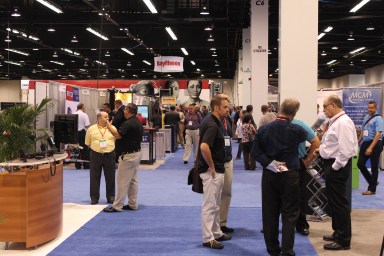 Franchise Marketing Systems will be sponsoring the September 2016 Franchise Expo held in Atlanta on 9/24 and 9/25. The Atlanta franchise show is one of the countries strongest small market shows and will be this fall’s largest franchise marketing event. The Atlanta franchise show consistently draws a large volume of franchise buyers to the event primarily from the Southeastern United States. In developing effective franchise marketing campaigns, Tradeshows have always been a key aspect to any franchise development model and in today’s technology driven marketplace maybe even more so than ever before.
 I am a small business owner, Conner and Associates, LLC, DBA Franchise Marketing Systems, based in Atlanta, GA. I fight the same fight you do every day of every week of every month. Sometimes it seems like all odds are against you being successful and you just can’t do anything right. Government regulations don’t seem to help the small business owner much, more so they favor the big corporations with money for lobbyists. Money is tough to come by as lenders look at small businesses as being higher risk in most cases. All that being said, I wouldn’t change a thing and love every minute of being a small business owner. My business, Franchise Marketing Systems has been fortunate to experience growth every year we’ve been in business. We have definitely had our set backs and trip ups along the way, but in the end, it has been exciting and is exciting to see your hard work come to fruition.
 I have spent the past 15 years working with brands who want to franchise their business and grow a brand through the franchise expansion model. Our firm, Franchise Marketing Systems works primarily with start up franchisors and brands who have not offered or sold a franchise in the past, sometimes with mid-sized or mature brands who are in need of additional support for growth. In the several hundred times that I have supported a company going through this process, there are some similar traits to the businesses that really make it in the franchise model and those that don’t.
 Businesses that turn to franchising as a way to expand their brand into new markets generally have a significant learning curve they must overcome as they learn how to manage the responsibilities of franchising and franchise expansion. A new franchisor is like a new business owner who is learning the ways, processes and steps they must take to deal with customers, overcome obstacles and effectively grow the business. What’s new about franchising to most business owners is the responsibility that comes with scaled growth and opening new locations in new markets with the addition of Franchisees in the fold. With the never-ending expansion of technology in all aspects of business and life, franchising certainly has seen it’s reliance on technology and systems increase exponentially as well. Perhaps in franchising more than most businesses, technology has taken on a new meaning as to how critical good tech is to the successful growth of a franchise.
 Franchise Marketing Systems