
Weekend: Light post + story update (community or recap)
Batch plan 2–4 weeks at a time.
8) Create content that actually gets customers
For most businesses, the content that converts best is:
A) Before/after + what you did
Show result fast (first 1–2 seconds)
Explain the process briefly
CTA: “DM ‘QUOTE’ for pricing”
B) “Here’s what it costs” or “Here’s how it works”
Transparency builds trust and reduces DM friction.
C) FAQ / objection videos
“Do I need to be home?”
“How long does it take?”
“What’s included?”
D) Local + specific
Mention neighborhoods, landmarks, cities served. Local specificity drives real leads.
9) Write captions and CTAs that drive action
Every post should have one clear call to action:
“DM ‘BOOK’ for availability”
“Click the link for a quote”
“Call today for same-week openings”
“Comment ‘menu’ and we’ll send pricing”
Keep captions skimmable:
Hook
2–3 short value points
CTA
10) Make your social profiles convert (the “funnel”)
Don’t send people to a messy homepage.
Use:
A booking link (Calendly / scheduling tool)
A quote form
A “start here” landing page with:
services
reviews
pricing range
FAQs
booking CTA
Make it easy to buy.
11) Turn engagement into leads (daily routine)
Do this 10–15 minutes/day:
Reply to all comments fast
Respond to DMs within 1 hour if possible
Comment on local pages (community groups, partner businesses)
Follow and engage with local accounts (real estate agents, gyms, salons)
Social media rewards activity, and fast responses convert leads.
12) Use paid ads to scale what already works
Don’t start with ads until you have posts that perform organically.
Best ad types:
Lead form ads (FB/IG)
Click-to-call ads (local service)
Reels ads (short video)
Start small:
$10–$25/day
Boost your best-performing proof/offer post
Retarget:
profile visitors
video viewers
website visitors
13) Build partnerships and referrals through social
Franchise-style growth on social often comes from partnerships:
Cross-promote with local businesses
Give shoutouts to complementary services
Feature joint giveaways
Trade content: you film for them, they post you
This builds trust faster than cold ads.
14) Track results and improve weekly
Every week, review:
Top 3 posts by saves/shares
Top 3 posts by leads (DMs/calls/clicks)
Best format (before/after vs FAQ vs behind scenes)
Double down on what works:
Make 5 more posts like your top performer
Update your CTA if leads are low
Improve hooks if views are low
15) Systemize it (so it doesn’t fall apart)
Create a repeatable workflow:
Capture content during work (10–20 clips/day)
Batch edit 1–2 hours/week
Schedule posts (Meta Business Suite, Later, Buffer)
Daily engagement (10 minutes)
Weekly review (15 minutes)
If you have a team, assign roles:
Creator (captures)
Editor
Poster/scheduler
Community manager
Quick-start plan (do this this week)
Pick 2 platforms
Post 3 videos (before/after, FAQ, testimonial)
Add a booking/quote link
Pin a “Start Here” post
Respond to every comment/DM fast
Track leads (simple spreadsheet)
For more information on how to build a effective social media campaign for your business, contact Bloomfield Growth Agency: https://bloomfieldgrowth.agency/
Abuja, Nigeria – Baze University, in collaboration with the Pan-African Organization for Social and Management Innovation (PAOSMI), is pleased to announce a special two-hour franchise education webinar, proudly supported by FMS Franchise Africa, a global leader in franchise development.
Scheduled for 12:00 Noon West African Time on November 25, 2025, this webinar marks the beginning of an ongoing series designed to introduce franchising to the Baze University community, entrepreneurs, faculty, students, and the wider public.
The session—organized with the support and participation of Dr. Henry E. Emejuo, Director, FMS Franchise Africa—aims to expand awareness of franchising as a powerful business growth strategy across Africa. Attendees will gain insights into how franchising works, why it is one of the world’s most effective business expansion models, and how individuals and institutions can leverage franchising for economic and entrepreneurial advancement.
“Our goal is to empower young people and emerging entrepreneurs with the knowledge required to build scalable, sustainable businesses,” said PAOSMI representatives. “Franchising is a proven tool for economic growth, and this partnership with Baze University and FMS Franchise ensures that valuable expertise is shared with the next generation.”
Representatives from FMS FranchiseAfrica, including seasoned franchise development professionals, will share global best practices, case studies, and practical knowledge on starting, managing, or investing in franchise systems.
The organizers encourage members of the university community, business leaders, aspiring entrepreneurs, and the general public to participate in this impactful session.
Topics and Content:
Dear Chris, Shawna, Anayo
Program: Venture Lab Talks organized by Baze University and Pan African Alliance of Small & Medium Industries(PAOSMI) with Support from Franchise Marketing Systems (FMS), USA and Africa- Caribbean Franchise Alliance(ACFA)
Theme- Fundamentals of Franchising
Date: Tuesday 25th November, 2025 Time: 2pm west Africa Time.
Session 1- Fundamentals of Franchising by Chris Conner,
Session 2- Learning from a Franchisor by Shawna Rollins Session 3- Opportunities in Nigeria and Beyond (Africa) by Anayo Agu
Session 4- Questions and Answers
Moderator- Dr Henry E. Emejuo, Director FMS Africa
Event Details
Webinar Title: Introduction to Franchising Webinar Series Organizers: Baze University & PAOSMI Supporting Partner: FMS Franchise Date: November 25, 2025 Time: 12:00 Noon West African Time
For more information or media inquiries, please contact FMS Franchise: www.FMSFranchise.com
Franchising has long been a proven model for business growth and brand expansion. In recent years, Europe has emerged as one of the most dynamic and diverse regions for franchise development, offering entrepreneurs and established brands alike the opportunity to scale efficiently across multiple high-value markets. With a sophisticated consumer base, strong regulatory frameworks, and mature franchise networks, the European continent presents a compelling destination for business owners seeking international growth.
This article explores the franchise landscape in Europe, the strategic advantages of entering the European market, the legal and operational considerations, and how Franchise Marketing Systems Europe (FMS Europe) supports brands in launching and scaling successful franchise systems across the continent.
1. The European Franchise Landscape
Europe is home to one of the most advanced and well-established franchise markets in the world. According to the European Franchise Federation (EFF), franchising contributes over €300 billion annually to the European economy and employs more than 2 million people across thousands of franchise brands.
1.1 Regional Maturity
Western Europe — Markets such as the United Kingdom, France, Germany, Spain, and Italy have long-standing franchise ecosystems, clear legal frameworks, and a wide base of experienced franchise operators.
Northern Europe — Scandinavian countries (Sweden, Norway, Denmark, Finland) are known for innovation, high purchasing power, and digital-savvy consumers — ideal for service-based and tech-driven franchises.
Southern Europe — Nations like Portugal, Greece, and Spain have experienced a strong rebound in franchise investment, particularly in hospitality, retail, and fitness sectors.
Eastern Europe — Countries such as Poland, the Czech Republic, Hungary, and Romania represent high-growth markets with relatively low saturation and rapidly modernizing retail sectors.
1.2 Industry Segments Driving Growth
While food and beverage remains the cornerstone of franchising globally, Europe’s growth has diversified. Some of the most promising sectors include:
Hospitality and Quick Service Restaurants (QSRs) — International and regional brands continue to expand across Europe, driven by tourism and consumer appetite for new dining experiences.
Retail and E-commerce Integration — Fashion, cosmetics, and lifestyle brands are blending physical stores with digital engagement.
Health, Fitness, and Wellness — A growing focus on healthy living fuels demand for gyms, boutique studios, and wellness-oriented franchises.
Education and Childcare — After-school programs, tutoring, and skill-development franchises are thriving across major cities.
Services and Home-Based Businesses — Cleaning, repair, and consulting services offer scalable models with low overhead costs.
2. Why Europe is Ideal for Franchising
2.1 Economic Stability and Diversity
The European Union represents one of the world’s largest and most integrated economic zones, with a population exceeding 450 million people and a combined GDP of nearly €16 trillion. Despite economic cycles, European consumers demonstrate consistent purchasing power, brand loyalty, and an appetite for innovative products and services.
2.2 Cross-Border Expansion Potential
A key advantage of the European market is its borderless nature within the EU. Once established in one member state, franchisors often find it easier to expand into neighboring markets with similar consumer behaviors and harmonized trade regulations.
2.3 Brand Recognition and International Appeal
European consumers are receptive to international brands, especially those offering quality, sustainability, and authenticity. U.S., Middle Eastern, and Asian brands have successfully entered Europe through master franchise and area development models — positioning themselves as premium and culturally unique options.
2.4 Mature Franchise Ecosystem
Europe’s franchise industry is supported by established franchise associations, experienced consultants, and structured legal and financial systems. Markets such as France and the U.K. have decades of franchise experience, offering models of best practices for compliance and operational efficiency.
3. Legal Framework and Franchise Regulation in Europe
Unlike the United States, Europe does not have a single unified franchise law. Instead, each country operates under its own legal and regulatory system, though many adhere to common EU principles.
3.1 Disclosure and Pre-Contractual Obligations
Certain countries — such as France, Italy, and Spain — have specific franchise disclosure laws requiring franchisors to provide potential franchisees with key information before signing. For example:
France: Under the Doubin Law, franchisors must deliver a Document d’Information Précontractuelle (DIP) at least 20 days prior to contract signing.
Italy: The Italian Franchise Law (Legislative Decree 129/2004) mandates detailed disclosure including financial data and operational background.
Spain: Franchisors must register with the Franchise Registry under the Ministry of Industry.
In other markets such as the U.K., Germany, and the Netherlands, franchising is governed primarily by contract law, and while disclosure is not mandatory, ethical standards set by franchise associations require transparency and fair dealing.
3.2 Intellectual Property Protection
Trademark and brand protection are essential. The European Union Intellectual Property Office (EUIPO) allows a single registration that provides trademark protection across all 27 EU member states — a major advantage for franchisors seeking cross-border scalability.
3.3 Competition Law
European competition law restricts anti-competitive behavior. Franchise agreements must comply with EU Block Exemption Regulation 330/2010, which allows certain vertical agreements (such as exclusive territories and non-compete clauses) under defined conditions.
3.4 Employment and Data Protection
Franchisors must also consider the General Data Protection Regulation (GDPR) for handling customer data, as well as local labor laws when advising franchisees on hiring practices or operational policies.
4. Market Entry Strategies for Europe
Franchising in Europe requires a strategic and tailored approach. Each market’s culture, legal requirements, and consumer expectations differ — making planning and localization critical.
4.1 Master Franchising
A popular route for international brands, the master franchise model grants a regional or country-level partner the rights to develop and sub-franchise under the brand. This allows rapid expansion through local expertise and capital investment.
4.2 Area Development Agreements
Under this structure, a single franchisee commits to opening multiple units within a defined territory over a set period. This model ensures faster growth and operational consistency, often preferred in mature markets.
4.3 Direct Franchising
In some cases, franchisors choose to manage relationships directly with individual franchisees — suitable for nearby or strategically critical markets such as the U.K., France, or Germany.
4.4 Joint Ventures and Corporate Stores
Certain sectors, particularly hospitality or retail, may benefit from joint ventures or pilot locations to build local brand awareness before full franchise rollout.
5. Key Considerations for Successful European Expansion
5.1 Market Research and Localization
Understanding local consumer habits, language preferences, and spending behavior is essential. For instance, marketing that succeeds in Spain may not resonate in Scandinavia. Localization of menu items, pricing, and brand presentation often determines success.
5.2 Supply Chain and Logistics
Building reliable supplier relationships is crucial. Europe’s robust transportation infrastructure supports efficient logistics, but customs, taxation, and import laws vary between EU and non-EU countries (such as the U.K., Switzerland, and Norway).
Learn more about managing supply chain logistics and find resources with FMS Sourcing: https://www.fmssourcing.com/
5.3 Brand Positioning and Cultural Sensitivity
Europeans value authenticity, quality, and sustainability. Brands that integrate eco-friendly practices, local sourcing, and community engagement gain a competitive advantage.
5.4 Financial Planning
Franchisors should structure franchise fees, royalties, and marketing contributions in line with European standards. Typically, initial franchise fees range from €20,000 to €50,000, with royalties between 4–8% of gross sales depending on industry and support level.
6. The Role of Franchise Marketing Systems Europe
Franchise Marketing Systems (FMS) has established itself as one of the leading full-service franchise consulting firms globally, with extensive experience in developing, launching, and scaling franchise brands across the United States, Canada, the Middle East, and Europe.
Franchise Marketing Systems Europe provides tailored support to help brands successfully enter and thrive in the European marketplace. Their team combines international franchise expertise with local market knowledge to create custom growth strategies for franchisors.
6.1 FMS Europe Services Include:
Franchise Feasibility & Business Model Development Evaluate your business readiness for franchising, including unit economics, scalability, and legal structure.
Franchise Documentation & Legal Support Prepare compliant franchise disclosure documents, franchise agreements, and operational manuals tailored to European jurisdictions.
Market Entry Strategy Identify the most suitable European markets, determine master or area developer models, and create a phased rollout plan.
Marketing & Lead Generation Develop multi-language marketing campaigns, franchise prospectus materials, and online strategies to attract qualified investors.
Franchise Sales Support Manage the recruitment and qualification process for franchisees and area developers.
Training & Operations Support Design initial training programs and ongoing support systems for franchisees to ensure brand consistency and operational success.
International Brand Management Provide ongoing guidance in adapting the brand to regional markets, maintaining quality standards, and scaling sustainably.
7. Success Stories and Case Studies
Numerous brands have leveraged FMS Europe’s expertise to expand into European markets. From boutique food concepts to retail and service brands, the company’s approach emphasizes measurable results and structured growth.
For example:
U.S. food and beverage concepts have entered Western Europe through area development models, customizing their menus to local tastes while maintaining global brand consistency.
Service brands — such as cleaning, fitness, and business consulting — have successfully expanded into the U.K., Spain, and Poland using localized marketing and strong operational frameworks developed by FMS.
8. Opportunities Ahead
With Europe’s franchising sector expected to continue growing at 4–5% annually, the time for international expansion is now. The rise of post-pandemic entrepreneurship, increased demand for turnkey business models, and growing preference for recognized brands make franchising a strategic path for both emerging and established businesses.
The European Green Deal, promoting sustainability and innovation, is also shaping consumer expectations — creating unique opportunities for eco-conscious and tech-enabled franchise models.
Moreover, the shift toward hybrid retail formats, delivery-first restaurants, and digital franchise management systems aligns with Europe’s digital-first business culture — an area where FMS Europe’s technology-driven strategies excel.
9. Conclusion: Why Partner with Franchise Marketing Systems Europe
Expanding your brand into Europe through franchising is both an exciting and complex journey. It demands strategic planning, regulatory understanding, and operational excellence — all supported by the right local partners.
Franchise Marketing Systems Europe stands as a trusted advisor to brands worldwide, helping business owners transform proven models into sustainable, scalable franchise systems ready for European markets. With expertise in franchise development, recruitment, operations, and international growth, FMS Europe provides the roadmap, relationships, and resources needed to establish a successful presence across the continent.
In an increasingly globalized economy, franchising remains one of the most powerful vehicles for brand expansion. For businesses ready to explore new frontiers, Europe represents a diverse, profitable, and promising region — and with Franchise Marketing Systems Europe by your side, you can navigate it with confidence and clarity.
Contact Franchise Marketing Systems Europe To learn more about how to franchise your business and expand across Europe, visit www.FMSFranchise.eu connect with their European division directly to begin your international franchise journey.
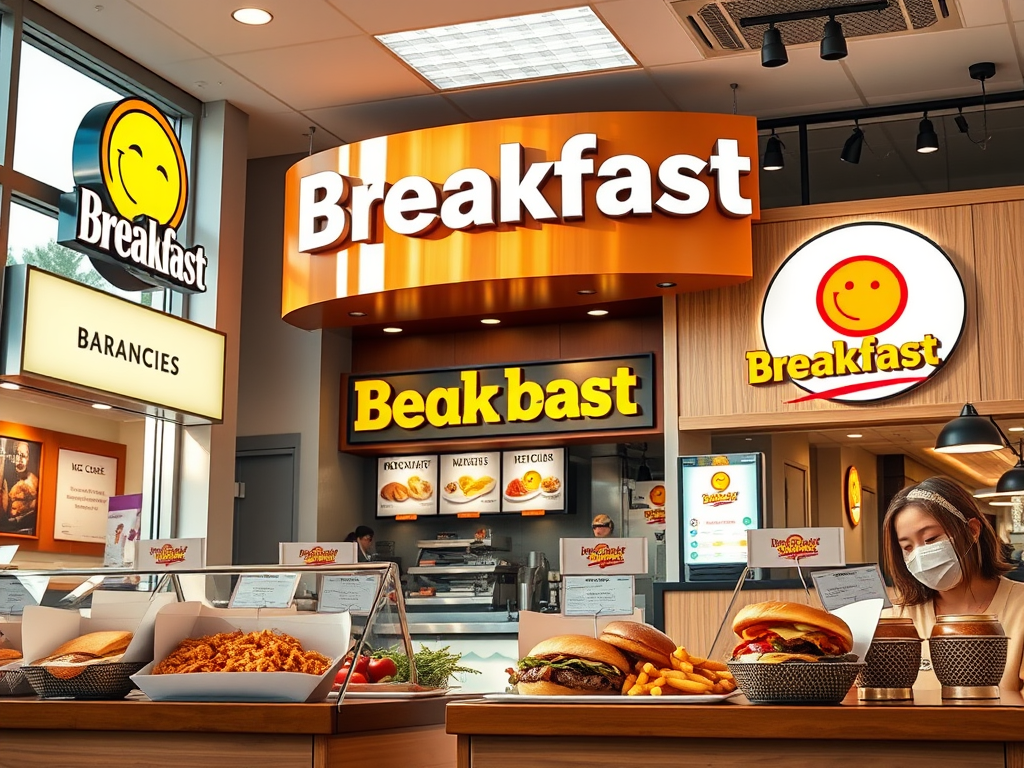
Breakfast has transformed from a sleepy daypart into one of the most lucrative battlegrounds in foodservice. For franchisors, mornings offer high-frequency traffic, beverage-driven margins, and operational models that can be simpler and smaller than lunch- or dinner-centric restaurants. For franchise buyers, the category can deliver compelling unit economics—particularly when menus revolve around coffee, baked goods, handhelds, and eggs cooked on compact lines. This article breaks down why breakfast works so well in franchising, the playbooks the best systems use, and the brands that have successfully scaled as breakfast leaders.
Why breakfast works in franchising
1) Habit and high frequency consumer trends. Coffee and breakfast are ritualized purchases. Many guests visit the same location daily en route to work or school. Compared to dinner, where decisions are more event-driven, breakfast produces repeatable patterns that compound brand loyalty and stabilize cash flow.
2) Beverage-led margins to create ROI and Bottom Line Profits. Espresso, drip coffee, specialty beverages, and fresh juices carry some of the highest contribution margins in foodservice. Pairing beverages with baked goods, bagels, or egg sandwiches creates attractive average checks with strong profitability.
3) Compact prototypes and speed of Service. Breakfast-heavy concepts often run in smaller boxes with fewer hooded stations, streamlined cooklines, or even commissary-supported bake programs. Smaller footprints reduce occupancy costs and widen the set of viable real estate.
4) Labor advantages. Simpler dayparts and limited menus can mean fewer SKUs, shorter training curves, and more predictable staffing. Some brands avoid late nights entirely, reducing labor premiums and shrink.
5) Drive-thru and digital fit. Breakfast aligns naturally with drive-thru, curbside, order-ahead, and subscription/loyalty programs. Mornings reward throughput; technology plus smart store design converts lines into velocity.
6) Daypart expansion options. Successful breakfast brands can layer in mid-morning snacks, bakery, and light lunch without losing identity, increasing asset utilization across the day.
Menu discipline. Leaders keep core menus tight (coffee + one or two signature breakfast platforms) and rely on LTOs for variety. That keeps training simple and ticket times low.
Supply chain mastery. Centralized roasting/baking or contracted commissaries ensure consistency. SKU count stays lean; specs are ruthlessly documented in manuals and e-learning.
Prototype & real estate strategy. Brands win by deploying multiple formats—end-cap drive-thru, in-line urban shops, kiosks, college or airport units—while maintaining identical guest experience standards. Breakfast thrives where morning traffic is highest: commuter corridors, school routes, medical hubs, and dense office parks.
Ops and training. The best systems invest heavily in barista or grill training, speed-of-service standards (e.g., car-per-minute metrics), and equipment packages that minimize bottlenecks (dual drive-thru lanes, make-ready stations, hot-hold for baked items).
Marketing & loyalty. Daily rituals respond to rewards. High-performing systems integrate app-based ordering, points accrual, and time-boxed offers (e.g., “before 10:30 a.m.”). Co-op marketing drives brand consistency while empowering local activation near schools, gyms, and offices.
Franchise economics. Breakfast winners showcase clear unit-level models: realistic sales ramp, food/labor targets, and capital that matches the prototype. Many lean into multi-unit, area-development agreements to accelerate cluster growth and advertising efficiency.
Brands that scaled breakfast through franchising
Below are breakfast-led or breakfast-dominant brands that have grown significantly with franchising (or franchise-style development). Each operates a slightly different model, but they share a focus on morning demand, operational simplicity, and strong support systems.
1) Dunkin’ (U.S. & international)
A quintessential breakfast franchise story. Dunkin’ built scale on drip and espresso beverages, donuts, and breakfast sandwiches, then modernized its beverage platform and drive-thru operations. The brand’s clustering strategy—densifying markets to lower distribution and marketing costs—has long favored multi-unit developers. Dunkin’s simplified kitchens, strong loyalty program, and steady LTO cadence make it a template for beverage-led franchising.
What to learn: Tight morning menu + beverage margins + technology + market clustering = durable franchise economics.
2) Tim Hortons (Canada, U.S., global)
“Double-double” coffee culture meets baked goods and breakfast sandwiches. Tim Hortons built an enormous base of habitual morning traffic with a franchise-centric model. As it moved beyond Canada, the brand adapted real estate formats (freestanding, end-cap, nontraditional) while staying beverage-led.
What to learn: Cultural ritual is a moat; pair it with franchised expansion and localized menu tweaks.
3) IHOP (U.S. & international)
While IHOP serves all dayparts, it is synonymous with breakfast and has long leaned on franchising. Its griddle-centric kitchen is consistent across formats, and franchisor support focuses on operations, marketing, and remodeling to keep the concept current. Late-night historically added sales hours; many operators highlight breakfast-heavy weekends as profit drivers.
What to learn: A breakfast identity can anchor a broader menu, enabling franchisees to capture multiple dayparts.
4) Denny’s (U.S. & international)
Another breakfast-forward, franchise-heavy diner brand, Denny’s leveraged national marketing, value platforms, and standardized grill line design. Though not exclusively breakfast, its iconic breakfast plates and 24/7 heritage built habitual traffic and off-peak utilization.
What to learn: All-day breakfast can spread fixed costs and build brand equity—if operations stay disciplined.
5) Waffle House (U.S.)
A Southeastern icon that combines company and franchise ownership, Waffle House runs a high-throughput breakfast grill with minimal menu complexity and relentless training. The model is a masterclass in line choreography and operating rhythm.
What to learn: Operational choreography at the grill delivers speed and consistency that keeps guests loyal.
6) Another Broken Egg Cafe (U.S.)
A polished breakfast/brunch franchise with bar program, driving higher average checks than QSR peers. The brand leans on daypart focus (7 a.m.–2 p.m. style hours), culinary credibility, and relaxed ambience to attract weekend and weekday late-morning crowds, while still fitting franchising with strong training and supply chain.
What to learn: Brunch can be franchised successfully when ticket and alcohol mix offset smaller footprints and limited hours.
7) Huddle House (U.S.)
A classic diner-style, breakfast-heavy franchisor emphasizing small towns and travel corridors. The model leverages comfort-food breakfast plates and portability to nontraditional sites.
What to learn: Secondary markets can be powerful for breakfast when real estate and labor are favorable.
8) Scooter’s Coffee / BIGGBY COFFEE (U.S.)
Drive-thru-first coffee chains built for franchising. Compact lots, modular buildings, and beverage-led tickets create fast builds and attractive returns when sited correctly. Food is often grab-and-go/bakery-assisted to preserve speed.
What to learn: Single-lane or dual-lane drive-thrus, tiny boxes, and beverage-centric menus make a scalable franchising engine.
9) Einstein Bros. Bagels / Bruegger’s (U.S.)
Bagel-centric formats (mix of company and franchise/license structures over time) with strong morning demand and catering upside. Commissary baking or par-baked solutions support consistency; the bagel platform pairs naturally with coffee and office catering.
What to learn: Catering extends morning brands into mid-morning and lunch without complicating the kitchen.
10) Perkins / Black Bear Diner (U.S.)
Family-dining brands with breakfast leadership and franchising footprints. Both built equity around generous portions and comfort breakfast, adding bakery or retail elements in some cases.
What to learn: Breakfast leadership within family dining keeps traffic steady; franchising scales into suburban and highway nodes.
11) Bojangles (U.S. Southeast)
While positioned as a chicken-and-biscuits QSR, Bojangles is a breakfast powerhouse thanks to biscuits, breakfast sandwiches, and sweet tea. A franchised model with strong morning mix illustrates how a savory Southern breakfast platform can scale.
What to learn: Regional breakfast specialties (scratch biscuits) create defensible differentiation and morning loyalty.
Emerging & boutique breakfast franchises to watch
Eggs Up Grill, Toasted Yolk Cafe, Flying Biscuit Cafe: Daytime-only brands leveraging brunch plates and neighborhood locations.
Paris Baguette (bakery-café): Franchised bakery café with strong morning pastry/coffee and afternoon cake business.
Kolache Factory: Breakfast pastries with portable, commuter-friendly formats—ideal for franchise operators near office/industrial corridors.
These concepts demonstrate that breakfast franchising isn’t monolithic; from craft brunch to drive-thru espresso stands, there’s room for multiple winning models if the fundamentals are tight.
Economics: what makes breakfast units hum
Throughput math. Morning peaks are short and intense. Systems that hit car-per-minute and ticket times under three minutes thrive. Dual-make lines (espresso + sandwich) and warming strategies for bakery items protect speed.
COGS and mix. Beverages subsidize food. Brands engineer menus to keep beverage mix high (loyalty members, seasonal drinks, add-on shots) and use limited SKUs for food. Handheld egg sandwiches, pastries, and bagels minimize waste.
Capex and box size. Breakfast brands often build for 800–2,000 sq. ft. (drive-thru: pad sites or end-caps). Smaller boxes mean lower build costs and faster paybacks—assuming the site has strong AM traffic.
Catering and subscriptions. Office catering (bagels, boxes of coffee) adds high-margin volume beyond the peak. Coffee subscriptions or refill programs stabilize frequency and SPH (sales per hour).
Missing the lunch bridge. A pure 6–10 a.m. business can leave assets underutilized. Leaders add light lunch or mid-morning snacking without slowing the breakfast line.
Menu creep. Too many SKUs wreck speed. Winning brands sunset low movers quickly and use LTOs with existing ingredients.
Real estate misfires. Breakfast relies on AM access and visibility. Right-in/right-out, drive-thru stack room, school/work routes, and signage matter more than they do at dinner-led concepts.
Underpowered equipment. Espresso machines, ovens, or refrigeration that can’t handle peak volumes cause long lines and app cancellations. Franchisors spec for peak, not average.
Training and culture gaps. Mornings are rushed. Smiles, accuracy, and pace require discipline and management presence at opening. The best systems staff their “A team” at 6–10 a.m., not after.
Overpromising economics. Responsible franchisors provide sober pro formas, clear ramp assumptions, and territory strategies that prevent cannibalization.
What franchisees should look for in breakfast brands
Proof of throughput. Ask for peak hour metrics, drive-thru capacity, and average ticket by hour.
Supply chain clarity. How are beans roasted, bagels baked, or eggs sourced? What’s the plan for new markets?
Digital ecosystem. Loyalty penetration, order-ahead adoption, and POS reliability directly impact repeat business.
Prototype flexibility. Can you deploy an end-cap or double drive-thru where land is tight?
Training intensity. How long is barista/grill training? What are certification standards?
Catering playbook. Is there a turnkey office-catering engine (menus, packaging, outreach) to fill the late morning?
Marketing co-ops and LTO cadence. Breakfast brands live on rhythm; ensure the franchisor has a calendar that keeps traffic energized.
Territory logic. Look for clustering and sustainable spacing that protects AM trade areas.
The outlook: mornings still have runway
Hybrid work created turbulence, but the morning habit has proved resilient—and in many suburbs, even stronger, with school-run traffic replacing some commuter patterns. Drive-thru continues to gain share; portable breakfast plus premium beverages remain a winning formula. As inflation nudges diners toward value and consistency, breakfast franchises that balance speed, treat-yourself beverages, and approachable prices will keep gaining ground.
At the same time, new players are carving niches: Asian bakery cafés with high-volume pastry lines; Latin breakfast handheld specialists; health-driven juice and bowl concepts; and tiny footprint espresso stands purpose-built for suburban arterials. Technology—from kitchen display systems to predictive ordering—will further compress ticket times and personalize offers.
Bottom line
Breakfast and franchising are natural partners. When brands respect the daypart’s physics—short peaks, beverage margins, simple menus—and pair them with tight supply chains, thoughtful real estate, and disciplined training, they can scale quickly and profitably. Whether the model is a dual-lane drive-thru coffee stand or a polished brunch café, the playbook is consistent: build ritual, protect speed, keep the menu focused, and let franchising do what it does best—replicate a strong system across the markets where mornings matter most.
For more information on how to franchise a breakfast brand, contact Franchise Marketing Systems: www.FMSFranchise.com
Soccer Post is a specialty-retail franchise built around one clear idea: serve local soccer communities with best-in-class gear, expertise, and an authentic retail experience. Over several decades the company has moved from single stores to a national specialty chain and, more recently, to an investor-backed growth strategy. This article explains where Soccer Post started, how the brand evolved, the structure of its franchise system today, and why its community-focused specialty retail model can work for both customers and franchisees.
Origins and early development
Soccer Post traces its roots to specialist soccer retailing that began in the late 1970s and 1980s as soccer participation in the U.S. grew. The brand has emphasized local community ties from the start — positioning stores as neighborhood hubs for players, parents, clubs, and coaches rather than anonymous big-box sporting goods outlets. Soccer Post began franchising in the early 1990s and has operated franchise partnerships since about 1991, expanding its footprint through locally owned stores that blend national purchasing scale with community focus.
Over time the corporate owner (often operating as Elite Sports Enterprises / The Soccer Post) built operations, vendor relationships with major soccer brands, and an operating playbook tailored to the seasonal rhythms of youth and adult soccer — cleat cycles, team uniform seasons, camps and clinics, and tournament-driven spikes in demand. That detailed retail know-how is a central part of what a Soccer Post franchisee buys when entering the system.
Recent ownership and strategic inflection (2025)
In February 2025 Soccer Post’s management team, led by CEO Blake Sonnek-Schmelz, acquired a majority stake in the company from private-equity investors, with strategic backing from York Capital Management and soccer-focused investors. That transaction signals two things: (1) the management team has confidence in the brand’s growth potential, and (2) there is institutional capital and strategic alignment to accelerate expansion and modernize systems. Management ownership backed by private capital often precedes more aggressive franchise development, technology investment, and centralized supply-chain improvements.
As of early-to-mid 2025 Soccer Post is a small national chain with a few dozen locations scattered across the U.S. Estimates from franchise directories put unit counts in the high 20s to low 30s (various listings report between about 26 and 32 units), reflecting steady but measured growth and a focus on community markets rather than saturation in major metros. The brand’s consumer proposition remains consistent: curated soccer product assortments (cleats, balls, training equipment), team sales and uniform programs, youth soccer event partnerships, and local customer engagement.
The franchise offering: what franchisees buy
A Soccer Post franchise is fundamentally a specialty retail franchise with several core components:
1. Proven retail format and brand identity. Franchisees receive a recognized specialty brand that appeals to soccer players, clubs, and families. The brand positioning emphasizes community engagement and product expertise rather than competing head-on with large sporting-goods chains.
2. Site selection and store design. The system favors compact neighborhood retail and shopping-center footprints that balance visibility with manageable build-out costs. Franchisor support typically includes prototype layouts, equipment lists, and vendor contacts to streamline openings.
3. Purchasing scale and supplier relationships. One of the franchisor’s primary value propositions is centralized purchasing power and vendor relationships with top soccer brands — cleats, training gear, apparel, and team-uniform suppliers — enabling competitive wholesale pricing and better inventory access.
4. Team sales & community programs. Franchisees get playbooks for team sales (uniform ordering, bulk pricing), tournament and event activation, and local partnerships with clubs and coaches — essential recurring revenue channels for soccer specialty retailers.
5. Training and operations. New owners receive training in product knowledge, inventory management, merchandising, and customer service — combining retail skills with soccer-specific know-how (fit for cleats, proper equipment selection, sizing, etc.).
Economics: investment, fees, and capital requirements
Franchise listing services report typical investment ranges and franchise fees that prospective owners should expect. Estimates in 2025 place the initial total investment roughly in the $201,100–$396,500 range, with an initial franchise fee commonly listed near $29,500. Some sources indicate liquid capital and net-worth minimums (e.g., $250,000 liquid capital and $500,000 net worth in some profiles), which reflect the franchisor’s view on the financial strength needed to open and sustain a specialty retail store with inventory, lease, and staffing costs. These figures vary by territory, store size, and whether the site requires heavy build-out. Prospective buyers should always consult the franchisor’s current Uniform Franchise Disclosure Document (FDD) for precise Item 7 and Item 19 disclosures.
Growth strategy and expansion approach
Soccer Post’s expansion strategy appears to follow a conservative, community-centric model:
Regional cluster growth: The brand has favored expanding into contiguous or regional clusters (particularly around strong youth soccer markets) so franchisees can benefit from shared marketing, regional purchasing, and synergy with local soccer organizations.
Local operator recruitment: The franchisor targets owner-operators with retail experience or local sports business ties who can execute community engagement (team sales, club partnerships, in-store events). This helps stores become local institutions rather than generic retail outlets.
Capital and operational modernization: The 2025 management buyout and capital partnership is likely to fund inventory systems, e-commerce, loyalty programs, and some centralized logistics improvements — investments that help small specialty retailers scale more efficiently.
Competitive advantages
Several practical advantages support the Soccer Post franchise value proposition:
Niche focus and expertise. Soccer Post is a dedicated soccer specialist — that specialization builds trust with players, parents, and coaches who prefer expert fitting and team solutions versus browsing a general sporting-goods aisle.
Community integration. Stores that host club nights, team ordering events, and local sponsorships become embedded in their markets. Those relationships produce recurring revenue from team uniform orders and tournament shoppers.
Proven seasonal cash flows. Youth sports have predictable seasons (fall, spring, summer camps), and a successful store can plan inventory and staffing around those peaks to optimize margins.
Challenges and risks
Specialty retailing — even in a focused niche like soccer — has its headaches:
Inventory intensity and working capital. Stocking multiple shoe sizes, seasonal styles, and team orders ties up capital. Efficient inventory management is crucial to avoid markdowns and stockouts.
Competition from e-commerce and big-box chains. Online marketplaces and large retailers can undercut price on commodity items; Soccer Post must win on service, fit, and local relationships rather than price alone.
Local market variance. Soccer participation rates, discretionary spending, and community enthusiasm vary by market. Successful site selection and local marketing are essential to unit viability.
Franchisee support scale. As the franchisor grows, maintaining consistent supply, training quality, and marketing support can strain resources unless investments are made in centralized systems — an area the new ownership seems poised to address.
What franchise candidates should ask
Anyone evaluating a Soccer Post franchise (or any specialty retail franchise) should ask for and analyze:
The current FDD (especially Items 2, 7, 19, and 20) to verify franchise counts, fees, and financial performance representations.
Verified unit economics and average unit volume (AUV) by market type.
Details on territory exclusivity and restrictions on multi-unit development.
Existing supply agreements and the franchisor’s role in managing vendor relationships and inventory flow.
Specific onboarding, hands-on store opening support, and ongoing marketing/field support resources.
Outlook: where Soccer Post can go next
With committed management ownership and private capital backing, Soccer Post can pursue several sensible moves to accelerate growth without sacrificing its community DNA. With private equity backing, the right leadership team in place and a dedication to the soccer community model, Soccer Post is poised for significant scale.
Technology upgrades — invest in e-commerce, local inventory visibility, and CRM/loyalty to convert tournament and team traffic into repeat customers.
Supply-chain scale — centralized purchasing and regional distribution can lower costs and reduce stockouts for franchisees.
Selective multi-unit deals — recruit experienced retail multi-unit operators in high-participation soccer markets to scale faster while preserving service quality.
Enhanced B2B / team programs — grow the high-margin team-sales business (school teams, club uniforms, tournament kits).
Soccer Post is a purpose-built specialty retailer that has turned neighborhood soccer expertise into a franchisable system. Its strengths — niche focus, community integration, and team-sales capabilities — provide a defensible position against broader sporting-goods competitors. The company’s recent management buyout and private-equity support suggest a renewed push to modernize operations and scale the franchise program. Prospective franchisees should carefully review the FDD, validate local soccer market dynamics, and account for inventory and working-capital needs, but for the right operator a Soccer Post franchise can be both a business and a community platform that leverages America’s enduring love of the beautiful game.
For more information on the Soccer Post Franchise System, visit the corporate site:https://soccerpost.com/
The bagel business is both ancient and endlessly adaptable: a hand-shaped boiled-and-baked product with deep roots in New York and the Jewish diaspora now reimagined by dozens of modern concepts. Among the newest entrants turning that tradition into a scalable franchise is The Bagel Hole — a craft bagel brand that has moved from local neighborhood bakery to a franchising playbook aimed at rapid regional expansion. This article traces the brand’s origins, explains the franchise model, examines the systems and decisions that have fueled its early growth, and explores why its expansion strategy is working today.
Origins and early story of the Bagel Hole Franchise
From day one the brand emphasized scratch preparation, a menu that blends classic offerings (plain, everything, sesame) with modern twists, quality coffee programs, and friendly breakfast-and-lunch service. The Founders, Gary and Cathy Trentacosta started the business with their family having always had a dream of building a brand that was part of the community and created a fun, family oriented environment with great food at a reasonable price point. That positioning — authentic product plus approachable retail execution — set the stage for a franchise model aimed at owner-operators who value food quality but need an executable, replicable system.
The decision to franchise and the early expansion play
Franchising is a tool for scaling a proven concept with lower capital outlay by the franchisor; for The Bagel Hole the conversion to a franchise model was driven by two practical forces:
Local proof of concept — Establishing strong unit economics and repeat customer demand in initial Georgia stores gave the owners confidence the model could translate to other suburbs and secondary markets. Early openings in Alpharetta and Cumming signaled demand beyond a single neighborhood.
Timing and market opportunity — Mid-2020s consumer demand for fast-casual breakfast continues to rise, and investors and franchise development teams were eager to back concepts that combine craft food with franchisable operations. With demand rising, The Bagel Hole launched a formal franchise program in 2025 and began signing its first franchise agreements for locations in the Atlanta-area suburbs.
The brand’s approach was pragmatic: open a handful of company stores to refine operations, then invite franchise partners to accelerate footprint growth in carefully chosen territories. The Bagel Hole’s early franchisees have been local entrepreneurs and multi-unit restaurant operators whose knowledge of market real estate and community engagement helps the chain expand with lower execution risk.
The franchise system: what franchisees buy
Franchisees purchase more than a brand name — they buy a system that reduces the day-to-day guesswork. The Bagel Hole’s franchise package emphasizes several core deliverables:
Operations manual and training: Franchise partners receive thorough training on scratch bagel dough production, boiling & baking schedules, food safety, and in-store customer service — a combination of culinary technique and retail discipline that assures product consistency across units.
Site selection and store design: The brand targets compact, high-traffic footprints (often strip centers or mixed-use retail) that balance visibility with reasonable build-out costs. Franchise support includes prototype layouts, vendor lists, equipment specs, and construction guidelines. Follow Bagel Hole on Instagram: https://www.instagram.com/thebagelholega/?hl=en
Supply chain & quality control: Bagel quality depends on consistent inputs (flour specification, water handling, proofing, oven performance). The franchisor typically helps franchisees access approved suppliers and sets quality standards to preserve the product profile as units multiply.
Marketing & local launch support: For early stores, franchisors help with grand-opening plans, local PR, social media, and loyalty promotions to drive first-month trial and repeat visits. The Bagel Hole’s marketing pitch draws on both New York–style authenticity and local community outreach. businessdebut.com
Because bagels require a daily production rhythm and staff with specific skills, the franchise system stresses training and initial hands-on franchisee support. Franchisees are expected to run day-to-day ops, but the initial onboarding reduces the trial-and-error that kills many single-unit operators attempting to “scale up” alone.
Growth strategy and early wins
Several strategic choices help explain The Bagel Hole’s early traction:
Right format for the market: The chain focuses on compact, neighborhood-friendly footprints that are appropriate for high-frequency breakfast and lunchtime trade. Smaller real estate needs speed up openings and lower capital requirements for franchisees. WhatNow
Local franchising first: By signing local franchisees who understand Georgian submarkets, The Bagel Hole reduces market entry risks and benefits from operators who already have vendor, leasing, and staff networks. Local operator knowledge accelerates site approval and community onboarding.
Brand positioning: Instead of positioning as a national high-volume QSR, the brand leans into “craft & neighborhood” authenticity — a positioning that attracts customers seeking quality and a daily routine rather than only novelty. That helps with customer retention and word-of-mouth growth.
Phased franchise rollouts: Rather than signing dozens of units at once, the brand is taking a phased approach: secure a few franchise deals, open first franchised stores in proximity to company locations, stabilize operations, then expand regionally. This iterative growth reduces system stress and permits operational learnings to be shared quickly. RestaurantNews.com
Those choices are reflected in early press coverage showing planned openings in Alpharetta, Cumming, and other Atlanta suburbs, plus announcements of the first franchised units slated to open in late 2025. The press coverage also underscores the franchisor’s emphasis on careful expansion rather than reckless national rollouts.
Read more on Bagel Hole on Franchising USA:
What’s working operationally
Operational success in a bagel franchise relies on a few practical strengths:
Repeatable production routines: Bagels require specific proof and boil times; The Bagel Hole’s standardized processes enable staff to replicate product quality even with new hires.
Lean staffing models for smaller footprints: With efficient workflows, the brand can operate with a modest crew during peak breakfast hours and scale staffing into lunch. That helps control labor costs while maintaining service speed.
Menu simplicity with upsell opportunities: A focused bagel & schmear menu with premium coffee and breakfast sandwiches increases check averages without complicating production. Franchisees benefit from add-on sales (specialty spreads, catering orders, boxed breakfasts for offices).
Community & catering channels: Beyond walk-in traffic, catering and office orders produce steady, higher-margin revenue — especially in suburban markets with corporate campuses and PTA networks.
Risks and challenges
No franchise growth is risk-free. The Bagel Hole faces challenges any bagel or bakery franchise must manage:
Competition: The bagel category has both iconic New York names expanding nationally and local scratch bakeries. Differentiation and local marketing are crucial.
Real estate inflation: Even compact footprints are subject to rental pressures in growth corridors. Site economics must be carefully modeled.
Labor & training: Maintaining high product quality requires ongoing training; franchisees must hire and retain skilled bakers or invest in training programs.
Brand consistency at scale: As the system grows, sustaining consistent product and experience across multiple owners is an ongoing franchisor responsibility.
However, by preferring phased, local expansion and emphasizing operator training, the brand mitigates several of these risks proactively.
Why the Bagel Hole model is fit for franchise expansion
Several broader market dynamics support the brand’s franchise opportunity:
Breakfast is resilient: Morning routines are sticky — if customers like a breakfast place, they return frequently. That repeatability is ideal for franchise unit economics.
Consumer preference for craft, local authenticity: Many consumers want higher-quality bagels than mass QSRs offer; bagel shops that can deliver an authentic product and neighborhood vibe can capture loyal customers.
Lower entry cost vs. full casual dining: Small footprint, limited equipment, and focused menus make initial investments more approachable for many first-time franchisees.
Catering and off-premises demand: Suburban markets especially provide robust catering prospects for office breakfasts and events, providing an additional revenue stream beyond counter sales.
Looking ahead: where The Bagel Hole can go from here
If The Bagel Hole Franchise continues its careful playbook — proofing operations in company stores, opening adjacent franchise units with vetted local partners, and systematizing training and supply chain — it can grow into a meaningful regional brand. Key future steps include:
Building a strong franchise infrastructure (robust onboarding, field support, supply agreements).
Developing a replicable unit economics model that potential franchisees can vet and bankers can underwrite.
Investing in local marketing playbooks and loyalty technology to drive repeat traffic and data collection.
Exploring adjacent formats (kiosk, campus, or grocery partnerships) that leverage the core bagel product with lower incremental cost.
The Bagel Hole’s franchise story is emblematic of how a well-executed craft food concept can move from local favorite to franchisable system. By combining authentic product, a compact and replicable store format, careful franchisee selection, and phased expansion, the brand has positioned itself to grow steadily in suburban markets — starting in Georgia and, potentially, beyond. Success will depend on the franchisor’s ability to preserve product quality while systematizing operations and supporting franchisees through the predictable challenges of multi-unit growth. Early press and first franchise deals indicate a thoughtful beginning: the next few years will show whether The Bagel Hole can translate neighborhood love into sustainable national scale.
For more information on the Bagel Hole Franchise System, visit the corporate site: https://thebagelhole.com/
Globally, the pet services market is expanding rapidly. In 2022, it was valued at approximately $24.9 billion, and it’s expected to reach around $50.1 billion by 2030, growing at a healthy CAGR of about 9.2%Grand View Research.
Within that, the pet grooming services segment is particularly dynamic:
The global pet grooming services market stood at an estimated $6.89 billion in 2024, projected to reach $10.35 billion by 2030, a CAGR of roughly 7.33%.
In the U.S. alone, grooming services generated $2.06 billion in 2024, with forecasts hitting nearly $2.99 billion by 2030.
Another report pegs the global grooming market to surpass $12.05 billion by 2032, with the U.S. market growing at a blistering 8.4% CAGRGlobeNewswire.
Broader spending on pet accessories and grooming tools is also surging: in 2024, the global grooming and accessories market was valued at $77.1 billion, expected to soar to $135.2 billion by 2032Fortune Business Insights.
What’s Driving This Boom?
Pet humanization is a key driver. People increasingly treat pets as valued family members, investing in premium services, wellness, and stylish experiences.
In the U.S., total pet industry expenditures reached $147 billion in 2024—and grooming is a significant share, as owners prioritize hygiene and emotional care.
Royal Pet Grooming: An Overview
Based in Delray Beach, Royal Pet Grooming prides itself on delivering exceptional pet wellness through grooming and nutrition, with a heartfelt, family-first touch:
Their branding invites pet owners to “transform every visit into a PAWSITIVELY delightful adventure.”
Ownership opportunities, including franchising, are prominently featured on their website Royal Pet Bakery & Grooming.
The franchise page suggests the organization is both welcoming to new owners and designed to empower them with structure and brand identity.
Why Royal Pet Grooming Franchise Makes Sense
Capitalizing on an Expanding Market
The pet grooming industry is growing fast. Royal Pet Grooming enters the space at a time when demand for grooming, wellness treatments, and premium experiences is outpacing supply.
Since North America commands a significant share (40%+) of the global market and U.S. spending on pet services continues climbing, opportunity abounds.
Experience Economy & Humanization
Owners increasingly seek spa-style grooming, aromatherapy baths, massage, and breed styling—services perfectly aligned with Royal Pet’s positioning.
By offering nutrition and wellness in addition to grooming, Royal Pet sets itself up for a premium, emotionally resonant brand experience.
The Royal Pet franchise system was founded by professionals who worked as corporate executives and recognized the opportunity in the Pet Services market and also felt that it could be done better than what they were seeing as a consumer. The Royal Pet Business model was designed to provide excellent customer service, great quality products in a simple and efficient business model. The end result was a business model that offered the opportunity to scale and duplicate through franchising.
Strong Franchise Support
Royal Pet’s franchise model includes:
Streamlined onboarding and design for new shops
A branded customer experience template
Supply chain for grooming and nutrition products
Marketing assets and training for operations
A recognizable logo and messaging—helping drive local trust
This ecosystem empowers new business owners to hit the ground running.
Community Connection
Happy local reviews—like pet owners praising Royal Pet’s calm, loving care—hint at authentic customer loyalty.
Franchisees can tap into this trust to host events, loyalty programs, and pet wellness workshops in their communities.
What Royal Pet Grooming Offers Prospective Owners
Here’s how a franchise owner at Royal Pet Grooming can benefit:
Proven Market Entry
With an established brand and operating model, owners avoid the risks of starting from scratch.
Business Systems & Training
Royal Pet likely provides:
Technical training for groomers in breed-specific care
Wellness and nutrition education
Customer service protocols
Operations on inventory, scheduling, POS, and HR
Brand Equity & Marketing Reach
The brand’s heartfelt messaging and visual identity help franchises draw clients quickly.
Growth & Scaling Potential
Grooming demand tends to be constant and recurring—with optional retail for accessories/nutrition boosting revenue.
Emotional Fulfillment
Owners get to build a business that supports pet wellness and helps families—an inherently rewarding venture.
Challenges to Consider
No franchise is without hurdles:
Competition: The market includes mobile operators and indie salons.
Staffing: Groomers are in demand and often hard to retain.
Economic Pressures: Inflation can shift consumer spending patterns, even in pet care.
Regulation and Overhead: Licensing, salon setup, and hygiene can be costly upfront.
But with a strong franchisor and high consumer demand, these can be manageable.
Royal Pet Grooming in a Booming Industry
The global and U.S. pet services market is growing at 7–9% compound rates, with premium grooming a standout segment. Pet humanization and steady adoption trends suggest sustained demand ahead.
Royal Pet Grooming, with its boutique feel, operational structure, and franchise potential, is well-positioned for expansion. For entrepreneurs with a love for pets and a desire for a turnkey business model, it offers a compelling path into a profitable, emotionally rich space.
For more information on the Royal Pet Franchise System, visit the corporate site: https://weareroyalpet.com/
In an industry that never slows down, the Stop & Go Car Care Center franchise is proving to be a rising star in the fast-paced world of automotive maintenance and repair. Formerly known as Brakes For Less, the brand has evolved under the leadership and vision of its founder, Rod Ross, and entered 2025 with a renewed focus, updated brand identity, and a powerful franchise system positioned for nationwide growth.
This transformation from a specialized brake service to a full-service car care franchise is more than a name change—it’s a reflection of the evolving needs of today’s consumers and the vast opportunity within the auto care industry. For entrepreneurs looking for a proven, scalable business with high consumer demand and operational support, the Stop & Go franchise model offers a compelling opportunity.
The Evolution: From Brakes For Less to Stop & Go Car Care Centers
Rod Ross, a seasoned automotive industry entrepreneur, launched Brakes For Less with a simple mission—offer high-quality brake repair services at a fair price. With his deep industry knowledge, attention to customer service, and streamlined operational approach, the brand quickly gained traction in regional markets.
As the business grew, Rod recognized that customer loyalty wasn’t limited to brake services. Clients were requesting oil changes, tire rotations, diagnostics, and full-service car care. In response to this demand, and to unlock a broader market opportunity, Stop & Go Car Care Centers was born in 2025.
This rebranding represents the evolution from a niche repair service into a comprehensive automotive maintenance franchise, offering a full suite of services while retaining the efficiency, value pricing, and customer-first approach that made Brakes For Less a success.
Why the Automotive Franchise Market is So Compelling
The automotive repair and maintenance industry is one of the most resilient and in-demand service sectors in the U.S. economy. As more Americans drive vehicles well past the 100,000-mile mark, and the average vehicle age exceeds 12 years, the need for reliable and affordable auto repair continues to grow.
Key Industry Stats:
The U.S. automotive repair industry is valued at over $140 billion annually.
The average vehicle age on the road is 12.5 years and climbing.
Consumers are driving more, not less, post-pandemic.
Dealership service departments often charge premium prices, creating demand for trusted, affordable alternatives.
Franchise models like Stop & Go are uniquely positioned to capitalize on these trends. Consumers want consistency, quality, and fair pricing—traits that independent repair shops often struggle to deliver at scale. Franchises offer the systems and branding that today’s customers trust.
The Stop & Go Franchise Model: A Proven System for Success
The Stop & Go franchise isn’t just a brand; it’s a business model refined through years of operational success and customer feedback. Franchisees benefit from streamlined systems, industry-leading training, and a focus on efficient operations designed to keep bays busy and customers satisfied.
1. Specialized Automotive Services
Unlike single-service brands, Stop & Go provides focused services around Brake Repair and Brake Replacement services. This allows for a specialized and highly efficient business model allowing for high quality of service and a high margin business model.
This focused service offering drives higher average ticket values and encourages repeat visits from customers who want a one-stop shop for all their car care needs.
2. Proven Operations Manual and SOPs
Franchisees follow a detailed, step-by-step operations manual, refined from Rod Ross’s original Brakes For Less model and adapted to the broader Stop & Go offering. From front-desk processes to technician workflows, every system is designed to increase efficiency, minimize waste, and maximize revenue per service bay.
3. Smart Technology and Software
Stop & Go leverages modern point-of-sale systems, customer relationship management tools (CRM), and inventory tracking to ensure smooth operations and excellent customer service. The centralized system also enables franchisees to monitor performance metrics in real time.
The new Stop & Go brand is bold, professional, and built for national recognition. Franchisees benefit from:
Local marketing toolkits
National digital campaigns
Social media support
Grand opening programs
The marketing strategy focuses on local SEO, online reviews, and community engagement to drive foot traffic and build trust.
5. Training and Onboarding
Every franchisee completes a comprehensive training program covering:
Automotive service operations
Customer service and sales
Team hiring and management
Financial management
Marketing and local promotions
Technicians and service advisors are also trained using Stop & Go University, a proprietary online learning platform with continual updates and certifications.
6. Site Selection and Build-Out Support
The franchisor offers support with:
Site analysis and territory mapping
Lease negotiation assistance
Layout and design of the shop
Equipment procurement and setup
With vendor relationships and economies of scale, the startup process is faster and more cost-effective than going it alone.
Franchisee Profile: Who Makes a Great Stop & Go Owner?
While automotive experience is a plus, it’s not a requirement. Stop & Go seeks motivated, business-minded entrepreneurs who are ready to build a high-performing team and deliver excellent customer service.
Ideal candidates:
Are passionate about customer experience
Have management or leadership experience
Are hands-on operators or multi-unit investors
Understand the importance of following a proven system
Are community-oriented and enjoy local business ownership
Starting a Stop & Go franchise offers a low barrier to entry compared to many automotive franchises while maintaining strong earnings potential.
The Competitive Advantage of Stop & Go
In a crowded market, differentiation is key. Stop & Go stands out through a unique combination of:
Legacy and Trust: Built on years of success as Brakes For Less.
Full-Service Model: More services = more revenue per visit.
Efficiency: Time-tested systems and lean operations.
Support: Hands-on franchisor engagement and franchisee advocacy.
Scalability: Single-unit or multi-unit growth strategies.
Customer Loyalty: Transparent pricing and friendly service earn repeat business.
While many automotive shops still run outdated systems, Stop & Go offers a modern, franchise-friendly platform designed to scale.
The Vision for Growth
In 2025, with a rebrand complete and infrastructure in place, Stop & Go is preparing for strategic nationwide expansion. Target markets include both urban and suburban areas where demand for trustworthy, affordable car care remains high.
Multi-unit development opportunities are available for qualified investors, and the franchisor is actively working with new franchisees to roll out in growth markets across the U.S.
Why Now is the Time to Join Stop & Go
As cars become more technologically advanced, and consumers look for brands they can trust, the automotive repair industry is at a turning point. Independent shops are struggling to keep up with marketing, systems, and customer expectations. National chains are gaining momentum.
The Stop & Go Car Care Center franchise presents an opportunity to be part of that national movement—backed by the real-world experience of Rod Ross and a franchise team committed to franchisee success.
Whether you’re an automotive professional looking to step into business ownership, or an investor looking for a scalable, proven model, Stop & Go offers a clear path to success in one of the most durable industries in the world.
As pet ownership continues to soar, so does the demand for professional dog training services. In recent years, the pet services industry has experienced unprecedented growth, driven by a generation of pet owners who increasingly treat their dogs as family members. In this environment, a well-structured dog training franchise offers not only an attractive business opportunity but also a meaningful way to help people build stronger relationships with their canine companions.
In this article, we’ll explore the value of a strong dog training franchise system, how consumer trends are fueling demand, and why now is an ideal time for entrepreneurs to enter this growing market segment.
The Rising Demand for Dog Training Services
Pet Ownership Trends Fueling Growth
According to the American Pet Products Association (APPA), over 65 million households in the U.S. own at least one dog—a number that has steadily increased over the past decade. During the COVID-19 pandemic, pet adoption rates skyrocketed, with many families bringing home new dogs while working remotely. Even as the world returned to in-person routines, these pet owners faced the challenge of managing behavior, separation anxiety, and obedience issues—prompting a surge in the need for dog training.
Key Market Drivers
Humanization of Pets: Today’s pet owners are spending more than ever on their animals. Dogs are no longer just pets—they’re companions, emotional support, and part of the family. With this shift, owners seek professional services to ensure their dogs are well-behaved and socially integrated.
Behavioral Issues & Socialization: With more dogs being adopted from shelters, many come with trauma, anxiety, or behavioral problems. Owners are willing to invest in solutions for biting, barking, aggression, or leash-pulling—areas where professional trainers make a dramatic difference.
Busy Lifestyles: As modern life becomes more fast-paced, pet owners often lack the time or expertise to train their dogs properly. Professional training offers a convenient and effective alternative.
Rise in Multi-Pet Households: Managing multiple dogs within one home requires structured training to ensure peaceful coexistence. This complexity has increased demand for specialized programs.
Increased Regulation & Public Expectations: Many communities now require certain training standards for public access (e.g., service dogs, therapy dogs). Additionally, responsible ownership includes being considerate in parks, restaurants, and public spaces—making training essential.
The Dog Training Industry at a Glance
Market Size: The U.S. dog training services market is valued at over $1.5 billion annually, with steady growth projected through 2030.
Annual Growth: IBISWorld reports an average of 5.5–6% annual growth in dog training services over the past five years.
Recession Resistance: The pet services industry proved resilient even during economic downturns. Dogs still need structure, and owners continue to prioritize care and behavioral development.
Why a Franchise Model Makes Sense in Dog Training
While many dog trainers operate as solo practitioners, the franchise model brings a host of benefits to both franchisors and franchisees—especially in an industry where credibility, consistency, and trust are critical.
1. Standardized Curriculum and Training Protocols
A franchise system offers a proven and consistent curriculum that ensures every dog—and every owner—receives the same high level of training and service. This includes:
By standardizing these offerings, a franchise creates predictable outcomes, reduces liability, and enhances brand trust.
2. Built-In Brand Credibility
Starting a new dog training business can be difficult without name recognition. A franchise system gives new business owners the power of an established brand, complete with:
Strong digital presence and SEO performance
Positive reviews and testimonials
Social proof and national advertising
Branded materials and uniforms that convey professionalism
3. Comprehensive Training for Franchisees
One of the key benefits of joining a dog training franchise is the franchisee training and certification process. Many franchises don’t require prior experience in animal behavior. Instead, they train franchisees from the ground up, providing:
In-person and virtual training programs
Technical training in dog behavior, reinforcement methods, and safety
Business training in sales, marketing, and client management
Access to certified trainers and ongoing education
This makes the business accessible to a wide range of entrepreneurs, including those passionate about dogs but new to the industry.
4. Operational Systems and Support
Running a dog training business requires more than canine expertise. Franchises provide a turnkey model with tools that streamline operations:
Scheduling and booking software
Client communication tools
Mobile app support
Billing and payment processing
Customer retention strategies and CRM systems
This infrastructure makes it easier for franchisees to focus on client relationships and training, rather than admin work.
5. Marketing and Lead Generation
A strong franchise system helps franchisees with local and national marketing:
SEO-optimized websites
Social media strategy and content
Email campaigns and customer drip funnels
Google Ads, Facebook Ads, and PPC management
Support for community events and partnerships
This robust marketing engine drives leads to each location, which is especially valuable in competitive urban and suburban markets.
Emerging Niches Within Dog Training
Franchises that embrace specialty training services open even more revenue streams:
Puppy Training Programs
Early training helps prevent future behavioral issues.
Includes potty training, biting prevention, and socialization.
Reactive or Aggressive Dog Programs
These high-ticket programs offer incredible value for pet owners who feel desperate for help.
Specialized training can command premium pricing.
Board-and-Train or Bootcamp Models
Dogs stay at a facility or with a trainer for immersive training (1–4 weeks).
High margin, less owner involvement, quick behavior correction.
Therapy and Service Dog Training
Increasing demand for emotional support animals and therapy dogs in schools, hospitals, and retirement homes.
Requires specialized certification but brings high credibility and visibility.
Financial Opportunity for Franchisees
While individual results vary, many successful dog training franchisees report:
Gross revenues of $250,000–$600,000+ annually, depending on location and services.
Low overhead due to mobile or home-based models (no need for a large facility).
High profit margins, especially in mobile training or small group settings.
Scalable model with the potential to add employees or multiple territories.
Franchise Investment Overview
Category
Estimate
Franchise Fee
$25,000–$45,000
Initial Investment
$60,000–$150,000
Royalties
6–8% of gross sales
Advertising Fund
1–2% of gross sales
Many systems also offer territory protection, so franchisees can build loyalty and market share without encroachment.
What Makes a Strong Dog Training Franchise System
Not all dog training franchises are created equal. Look for systems with:
Scientific, positive reinforcement methodologies (aligned with AVSAB and APDT standards)
Extensive franchisee support before and after launch
Transparent financial performance disclosures (Item 19 in the FDD)
Ongoing training and innovation, including new classes and behavioral tools
Community involvement and a passion for pets—not just profits
Franchise brands that prioritize ethical training, long-term client relationships, and continuing education tend to outperform competitors and retain customers for life.
Work with a expert in the dog training space who brings the experience and years in the industry to help you get ramped up quickly and learn the dog training business effectively in a short time period. Steve Cohen, founder of Tropical Dog Training Success Center Franchise is a perfect example.
A Loyal Market and a Mission-Driven Opportunity
The dog training industry is not only a profitable market—it’s also deeply rewarding. Entrepreneurs who join a structured franchise model gain access to a time-tested playbook, a support network, and a passionate community of pet lovers.
In a time when Americans are spending more on their pets than ever before, the opportunity to build a business that improves the lives of dogs and owners alike is more compelling than ever.
Whether you’re an experienced trainer or a dog-loving entrepreneur looking for your next venture, a dog training franchise may be your path to making a difference—while building long-term business success.
Franchising a business is an exciting step toward expansion and scalability. It allows a brand to grow beyond its original location and create a network of independently owned businesses operating under a shared system. But with expansion comes complexity—especially in the realm of shipping, inventory management, and product distribution. Whether you’re franchising a restaurant, a retail product, or a service-based brand that includes equipment or merchandise, having a defined plan for shipping and distribution is crucial.
In this article, we explore the importance of logistics in franchising, the risks of overlooking distribution planning, and how to create a robust logistics and supply chain infrastructure that supports long-term growth.
Why Logistics Matter When Franchising
When you expand through franchising, you’re no longer managing just one business location—you’re managing a network of businessesthat depend on consistency, timely deliveries, quality control, and operational efficiency. Shipping and distribution logistics ensure your brand standards are met across every franchise unit.
A solid logistics plan answers key questions:
How will franchisees receive the products or materials they need to operate?
Who controls sourcing and vendor relationships?
What is the delivery schedule and method for critical goods?
Are franchisees paying for freight, or is it factored into product costs?
What happens if a franchisee can’t access inventory or deliveries are delayed?
Without clear answers and systems in place, these problems can lead to inconsistent customer experiences, operational inefficiencies, and strained relationships with franchisees.
Key Components of Franchise Shipping & Distribution Planning
1. Identify Your Supply Chain Needs
Before developing a distribution plan, assess what your franchisees will need regularly. This could include:
Proprietary ingredients or packaging (for food service and restaurant businesses)
Retail products, inventory, or branded merchandise
Equipment, uniforms, or signage
Printed marketing materials
Point-of-sale systems or digital tools
Make a complete list of what must be shipped, how often, and whether it’s required at launch or replenished regularly.
2. Centralized vs. Decentralized Distribution
Your franchise model will need to decide whether shipping is managed centrally by the franchisor or handled locally by the franchisee.
Centralized Shipping (Franchisor-controlled):
Pros:
Better brand consistency
Lower bulk pricing via national purchasing
Easier vendor relationships and oversight
Cons:
Higher operational complexity
Requires warehouse space or third-party logistics (3PL)
Shipping costs may be higher depending on the franchisee’s location
Decentralized Shipping (Franchisee-controlled):
Pros:
Franchisees have autonomy
Reduces central logistical overhead
Cons:
Inconsistent quality or sourcing
Complex compliance with brand standards
More room for franchisees to substitute or source independently
Tip: Many franchise systems start with centralized shipping to protect the brand, then shift to hybrid or decentralized models as franchisees gain experience or as regional suppliers are certified.
3. Use a Preferred Vendor Program
A powerful way to maintain supply control without holding inventory yourself is through a Preferred Vendor Program. This involves identifying third-party suppliers who meet brand standards and allowing them to fulfill franchisee orders directly.
Benefits include:
Reduced inventory and warehousing for franchisors
Easier onboarding for franchisees
Volume pricing discounts negotiated across the system
Quality control through vendor management
Your franchise operations manual should outline:
Who the approved vendors are
How to order
Reordering frequency
Service level expectations
4. Plan for Technology and Inventory Management
Modern franchises require technology to monitor and manage supply chain performance. Some important tools and systems include:
Inventory Management Systems (IMS): Helps franchisors and franchisees track usage and reorders
Enterprise Resource Planning (ERP) systems: For multi-unit operations
Franchise CRM platforms: Integration with order management tools
E-commerce portals: Branded online stores for franchisees to order goods
By providing visibility into inventory and supply chain logistics, franchisors can be proactive in resolving delays or shortages.
5. Establish Distribution Standards in the Franchise Agreement
Shipping and logistics responsibilities must be clearly outlined in the franchise agreement and operations manual. These legal and operational documents should include:
Required purchases from franchisor or approved suppliers
Territory-based logistics variations
Timelines for delivery and restocking
Freight responsibilities (prepaid, collect, etc.)
Penalties or corrective actions for non-compliance
Clear contractual expectations will prevent misunderstandings and ensure franchisees maintain brand consistency.
Working with 3PL (Third-Party Logistics Providers)
One option to streamline shipping is to work with a 3PL provider. These companies specialize in warehousing, inventory management, and delivery on behalf of brands.
When to Use a 3PL:
When you don’t want to maintain physical inventory or distribution centers
When your franchise model grows beyond your local region or state
When speed and accuracy of delivery is a priority
3PLs offer:
Storage and warehousing
Order fulfillment
Shipping coordination
Returns management
They are especially useful for brands shipping physical goods (food, apparel, packaging, etc.) across long distances.
Examples of Franchise Logistics in Action
🔵 Jersey Mike’s Subs
Uses a strict distribution model where all meats, cheeses, and bread are shipped from centralized providers. Franchisees order through a corporate-approved supply chain portal, ensuring product consistency.
🟢 The UPS Store
Each location has a hybrid logistics system. While many supplies come from central vendors, individual stores are responsible for sourcing their own paper, printer supplies, and minor office materials.
🔴 Nothing Bundt Cakes
Requires specific packaging and decorative elements to be used at all stores. Franchisees must order through approved vendors and meet strict delivery and freshness standards to maintain branding.
Building a Scalable Franchise Logistics Plan
As you build your franchise, your logistics model should grow with you. Here’s a step-by-step plan for getting started:
Step 1: Map Franchise Supply Needs
Document everything a franchisee will need—from the opening kit to weekly operations.
Step 2: Evaluate Existing Vendors and Capacity
Do your current suppliers have the bandwidth to support multiple locations? If not, begin qualifying regional vendors or explore 3PL partnerships.
Step 3: Test the Distribution Model
Start with pilot franchisees. Measure performance in cost, delivery time, satisfaction, and adaptability.
Step 4: Build Supply Chain SOPs
Document everything in your franchise operations manual. Include order forms, schedules, and vendor contacts.
Step 5: Integrate Technology
Adopt a platform that tracks orders, manages inventory, and automates notifications. If possible, link this with your franchisee portal.
Step 6: Prepare for Regional Variation
Franchisees in different states or countries may face shipping delays, customs challenges, or pricing issues. Account for these with flexible but controlled sourcing rules.
Final Thoughts
Shipping and distribution are the operational heartbeat of any franchise that relies on physical products, inventory, or equipment. Without a strong plan, the customer experience becomes inconsistent, franchisees struggle with operations, and your brand suffers.
By investing in logistics planning from the beginning—whether through central warehousing, approved vendor programs, or partnerships with 3PL providers—you lay the foundation for a scalable, resilient, and successful franchise system.
A well-oiled supply chain keeps franchisees happy, customers satisfied, and your brand growing strong.
For more information on how to get better pricing on shipping and logistics when you franchise your business, contact Franchise Marketing Systems: https://www.fmsfranchise.com/about-us/contact/