Registering your franchise before offering or selling it in Michigan is an important legal step that ensures compliance with the Michigan Franchise Investment Law and protects both franchisors and prospective franchisees. Michigan is one of the states that requires franchisors to register (or file a notice) with the state prior to sale, and it has specific steps you must follow to be compliant.
Below is a clear, step-by-step guide on how to register your franchise in Michigan:
Confirm Michigan Franchise Law Applies to Your Business
Before beginning the registration process, you need to determine if your business qualifies as a “franchise” under Michigan law. Michigan defines a franchise broadly, including any agreement in which:
A franchisee is granted the right to sell or distribute goods or services under a marketing plan or system prescribed by a franchisor,
The franchisee’s business is associated with the franchisor’s trademark, name, or brand, and
The franchisee is required to pay a franchise fee (directly or indirectly).
If your business arrangement meets these criteria, you must register (or at least file notice) before selling franchises in Michigan.
Prepare Your Franchise Disclosure Document (FDD)
Although Michigan does not require you to file the full Franchise Disclosure Document (FDD) for formal review, you still must prepare and use an FDD that complies with the Federal Trade Commission (FTC) Franchise Rule in any state where you sell franchises. This document includes 23 required items such as:
copies of required agreements and third-party vendor contracts
You must provide the FDD to prospective franchisees at least 10 business days before they sign any franchise agreement or pay any franchise fee in Michigan (which is slightly different from the federal minimum of 14 days).
Draft Your Notice of Intent (Michigan “Registration”)
Michigan’s franchise law requires franchisors to file a Notice of Intent with the Michigan Department of Attorney General (DAG)before offering or selling franchises in the state. Unlike many other states, Michigan is a “notice state”—meaning you do not submit the full FDD for review, only this brief notice.
Your Notice of Intent should be drafted on your company’s letterhead and include:
Company name (and any DBAs)
Principal business address
Brief description of the franchise business
Appropriate signature and contact information
A $250 filing fee (check payable to “State of Michigan”) must accompany the Notice of Intent.
Submit the Notice to Michigan’s Attorney General
Mail or deliver your Notice of Intent and payment to:
Michigan Department of Attorney General Consumer Protection Division – Franchise Section G. Mennen Williams Building 525 W Ottawa Street P.O. Box 30213 Lansing, MI 48909
Once your Notice is accepted, the Department will issue a confirmation identifying your filing as “filed” with an effective date.
Wait for Confirmation Before Offering or Selling
Your franchise cannot legally be offered or sold in Michigan until the Department of Attorney General confirms the acceptance of your Notice of Intent. This confirmation is your registration.
Because Michigan does not review or approve the FDD itself, this step is essentially your state registration requirement. Make sure you keep a record of the confirmation for your compliance files.
Maintain Annual Renewal Filings
The Michigan Notice of Intent must be renewed each year. The renewal is essentially the same filing with updated information (if anything changed) and another $250 fee. Your annual filing keeps your franchise registration active in Michigan.
This requirement is different from many other states that require full FDD re-submission; in Michigan you simply file the annual notice.
Provide Franchise Disclosure Compliance
While Michigan’s registration is a “notice” filing, the federal FTC Franchise Rule still applies and requires you to provide a compliant FDD to all prospective franchisees at least 10 business days before key events (signing or payment). Ensure your FDD meets both federal and any relevant state disclosure standards.
You should consult with experienced franchise legal counsel to ensure your FDD, registration filings, and sales practices fully comply with both Michigan law and federal franchise regulations.
Ongoing Compliance After Registration
Once registered, you must also:
Update the state notice if you materially revise the FDD or franchise agreement during the year
Continue to provide updated FDDs to prospective franchisees when changes occur
Maintain accurate records of sales and disclosures
Ensure franchise agreements align with Michigan’s Franchise Investment Law requirements, including any state-specific protections and terms governed by law (e.g., fair termination, dispute processes)
While Michigan’s franchise registration process may seem simpler than other states (because it relies on a Notice of Intent rather than full FDD review), compliance is still essential. If you fail to file or renew the Notice of Intent, make offers, or sell franchises without prior registration, you may face civil penalties and enforcement actions under Michigan’s Franchise Investment Law.
Use experienced franchise counsel to assist with drafting the FDD, preparing the Michigan notice, and coordinating compliance across all registration states where they plan to sell franchises.
For more information on how to Franchise Your Business, contact FMS Franchise: www.FMSFranchise.com
Franchise buyers may start their search online, but a large percentage still make their final decision because of something that happens face-to-face: a real conversation, an honest Q&A, and the confidence that comes from meeting the people behind the brand.
That’s why Franchise Marketing Systems (FMS Franchise) is planning an aggressive in-person presence in 2026—exhibiting at 51 franchise shows throughout the year. These events aren’t just about “having a booth.” They’re about creating real momentum for franchise brands by putting the right message, the right people, and the right process in front of qualified franchise candidates—at scale.
Below is a breakdown of why in-person franchise shows still matter, how they fit into a modern franchise marketing strategy, and why a consistent national tradeshow presence can be a major advantage for emerging and growth-stage franchisors.
Why in-person events still matter in a digital-first franchise world
Franchise marketing has become increasingly digital—PPC, portals, SEO, webinars, email sequences, CRMs, nurture campaigns, and retargeting. All of that is essential. But franchising isn’t a simple e-commerce purchase. It’s a major life and financial decision. The buyer isn’t just evaluating a product—they’re evaluating:
the leadership team
the brand’s professionalism
the support system
credibility and transparency
cultural fit
and whether they can trust the opportunity
That’s where in-person franchise events shine. They compress weeks of “digital getting to know you” into one meaningful interaction.
In-person increases conversion confidence
Nothing replaces a handshake and a in-person opportunity to meet. When a candidate meets you, asks questions, and senses the strength of your team, the relationship accelerates. Many prospects who are “interested but cautious” become “serious and engaged” after a strong in-person interaction—especially if your messaging is clear and your team has a defined process.
It’s easier to qualify people live
Online leads can be noisy. Events give you the ability to quickly determine:
intent level
financial readiness
timeline
sophistication
seriousness about ownership
A five-minute booth conversation can save weeks of chasing leads that were never qualified.
Brand trust is built faster face-to-face
Trust is the currency of franchise sales. A polished booth, a confident and transparent team, and real answers to real questions create credibility that digital content alone can’t always replicate.
What franchise shows do that other lead sources can’t
Every lead channel has strengths. Franchise shows deliver a unique blend of advantages that are difficult to replace.
1) High-intent traffic in a “decision environment”
People attend franchise shows because they are actively exploring ownership. They come prepared to talk, compare, ask direct questions, and learn. It’s not passive attention—it’s intent.
2) Natural education builds your authority
At a show, you aren’t competing only with ads—you’re competing with conversations. Brands that can educate clearly tend to win. When a prospect understands:
how franchising works
what it costs
what support looks like
and why your model is different
…you become the “trusted option,” not just another booth.
3) Faster next-step scheduling
Shows are one of the best environments to book:
intro calls
validation calls
discovery days
webinars
follow-up appointments
When the candidate is in “evaluation mode,” scheduling momentum is easier.
4) Competitive positioning happens in real time
Franchise buyers compare. At a show, you can differentiate your brand immediately by:
explaining your value proposition clearly
showing operational maturity
sharing support systems and training structure
highlighting unit economics (appropriately, and in compliance)
speaking to ideal franchisee profiles honestly
That level of positioning is harder to accomplish through generic online traffic.
The hidden value: franchise shows amplify your entire marketing funnel
A common misconception is that a franchise show is just a lead event. In reality, shows become a multiplier for everything else you do.
Before the show
Smart franchisors use the event to drive:
geo-targeted ads around the event city
email invitations to local leads
scheduled booth appointments
local PR and awareness
During the show
You capture:
qualified conversations
contact information
real buyer objections and FAQs (gold for your marketing content)
and next-step commitments
After the show
The highest-performing brands run structured follow-up:
same-day outreach
nurture sequences
scheduling pushes
candidate education content
and pipeline tracking inside the CRM
When done right, a tradeshow doesn’t just produce leads. It produces better leads—and makes your funnel more efficient.
Why exhibiting at 51 shows in 2026 is a serious strategy
Consistency is one of the biggest differentiators in franchise marketing. Brands that show up repeatedly:
build recognition with returning attendees
strengthen credibility in the marketplace
create a steady pipeline instead of “lead spikes”
improve their messaging through repeated real-world conversations
By exhibiting across a large number of events in 2026, FMS is creating a wide national footprint—supporting franchise clients with visibility and candidate engagement in multiple markets throughout the year.
That matters because franchise growth is often uneven geographically. Some concepts perform best in certain regions, demographics, or real estate profiles. A broad show presence helps brands find the right markets faster—and connect with the right operator candidates.
The ability to put knowledgeable team members in front of candidates consistently is not a small detail—it’s a strategic advantage. Prospects want to know there’s real support behind the brand and a real organization capable of executing growth.
What franchisors should do to maximize tradeshow ROI
If you’re a franchise brand leveraging tradeshows, here’s what separates “we attended” from “we converted.”
1) Arrive with a clear value proposition
Your team needs to deliver a 20–30 second explanation that is:
specific
differentiated
easy to understand
Not “we’re the best.” More like: “Here’s the concept, here’s the model, here’s who’s a fit, and here’s why it works.”
2) Use a qualification script
The best booth teams ask a few direct questions early:
“What markets are you interested in?”
“What’s your timeline?”
“Have you owned a business before?”
“Do you have a target investment range?”
This keeps conversations productive and protects follow-up time.
3) Focus on scheduling next steps
The show isn’t the finish line. It’s the start of the sales process. Your goal should be to leave with:
appointments booked
next-step commitments
and clean CRM notes
4) Follow up fast (same day matters)
Franchise candidates talk to many brands at shows. Speed wins:
same-day text/email
next-day call
and a clear follow-up path
The brands that respond quickly often win attention and trust.
5) Track performance like a sales channel
Tradeshows should be measured like any lead source:
cost per qualified lead
cost per appointment
appointment-to-application conversion
application-to-award conversion
and overall cost per franchise sale
This is how you turn events into a scalable strategy—not a marketing expense.
Closing: why in-person will remain a key growth lever
Franchise shows and in-person marketing aren’t a replacement for digital—they’re a complement that strengthens your brand, accelerates trust, and improves lead quality.
With Franchise Marketing Systems exhibiting at 51 franchise shows in 2026, the strategy is clear: consistent national visibility, real relationship-building, and a structured pipeline approach that helps franchise brands connect with serious entrepreneurs.
If you attend a franchise show this year, keep an eye out for the FMS Franchise team—Anthony Feola, Paul Wile, Zac Bletz, Alan George, John Naylor, Chris Conner, and Ashton Wiles—and come ready with questions. In-person conversations still have a unique power in franchising, and the brands that use them strategically can create meaningful growth momentum.
For information on the Franchise Shows and to Join FMS at a Franchise Show, contact Zac Bletz with FMS: Zac.Bletz@FMSFranchise.com
Franchising is one of the most powerful business growth models in the world—but it’s also one of the most misunderstood. Entrepreneurs hear the word “franchise” and immediately think of fast-food chains, big national brands, or the idea that franchising is only for companies that already have dozens of locations. Others assume franchising is simply “selling the name” and collecting royalties. In reality, franchising is a structured legal and operational system, and the entrepreneurs who win with franchising are the ones who understand the process early—before they spend time and money chasing the wrong strategy.
FMS has created a free, accessible Skool-based education platform designed to give entrepreneurs, business owners, and early-stage franchisors a way to learn about franchising the right way—through practical insights, updates, and structured guidance from people who work in the franchise world every day. Whether you’re a business owner considering franchising your concept, an entrepreneur exploring franchise investment, or someone simply trying to understand how the franchise industry works, the FMS Skool platform is built to provide the kind of clarity that most people don’t get until they’ve already made expensive mistakes.
This blog breaks down what the FMS Skool training platform is, how it benefits entrepreneurs, and why access to ongoing franchising education can be a game-changer for anyone serious about growth.
Why Franchising Education Matters More Than Ever
In today’s business environment, business models are evolving quickly. Customer acquisition costs are rising, competition is everywhere, and owners are constantly looking for a scalable growth path that doesn’t require them to personally manage every new location. For many brands, franchising becomes an ideal option—but only if it’s built correctly.
The challenge is that franchising includes multiple layers:
Legal compliance (FTC Franchise Rule, state registrations, disclosure timing)
Operational systems (training, manuals, support, brand standards)
Financial model design (fees, royalties, support costs, unit economics)
Sales and marketing (lead generation, qualification, franchisee onboarding)
Implementation and support (field support, performance tracking, continuous improvement)
Most entrepreneurs don’t naturally understand all of these pieces. They might be exceptional operators, great at sales, or strong at customer experience—but franchising requires a different kind of system-building thinking. And without education, many owners fall into common traps:
believing they can franchise without strong systems
underestimating compliance requirements
creating a fee structure that doesn’t support the franchisees
marketing a franchise opportunity before it is legally ready
thinking franchising is just “selling territories”
This is where a well-built training platform provides huge value. The FMS Skool platform is designed to help entrepreneurs learn the framework early so they can move forward with clarity instead of guesswork.
What the Franchise Marketing Systems Skool Training Platform Is
The FMS Skool training program is best understood as a community-based learning platform—a structured space where entrepreneurs can access educational content and ongoing updates about franchising. Instead of forcing business owners to piece together information from random blog posts, social media clips, and conflicting opinions online, Skool allows FMS to organize learning in a way that’s easier to follow and more useful for real business decisions.
At a high level, the platform provides:
Educational modules and lessons explaining key franchising topics
Updates and insights about franchising trends and the marketplace
A learning community where entrepreneurs can engage with franchising content regularly
Practical guidance that helps owners understand what to do next, not just what franchising is
The result is a free resource that helps entrepreneurs build franchise knowledge on their own schedule—without needing to jump into costly consulting or legal work before they’re ready.
The Biggest Benefit: Clarity Before You Spend Money
A major advantage of the FMS Skool platform is that it gives entrepreneurs something that’s incredibly rare in the franchise development world: early-stage clarity.
Franchising can be a serious investment. Between legal documents, operations manuals, training development, and franchise marketing, the process requires planning and capital. Too many business owners spend money on the wrong things first—or hire the wrong support—because they don’t understand the sequence of steps required to build a franchise model.
By learning through the Skool program, an entrepreneur can get answers to questions like:
“Am I actually ready to franchise?”
“What systems do I need first?”
“What is the FDD and why does it matter?”
“What do franchisees truly need from the franchisor?”
“How do royalties work?”
“What are common mistakes new franchisors make?”
“How do state registrations affect franchise sales?”
“What support obligations do franchisors have after the sale?”
This kind of education helps entrepreneurs avoid moving too fast, skipping key steps, or creating unnecessary risk.
In other words, it helps them make intelligent decisions before money is on the line.
The Second Benefit: Real Updates and Insights That Keep You Current
The franchise industry changes. Rules, best practices, technologies, lead generation strategies, and buyer behavior evolve constantly. Many entrepreneurs learn franchising once, then operate off outdated assumptions. That’s a recipe for mistakes.
A platform like Skool provides ongoing value because it isn’t static—entrepreneurs can receive updates and insights over time, helping them:
stay current on franchising trends
understand what franchise buyers are looking for right now
learn how franchise marketing is evolving
see what’s happening in the franchise investment world
recognize new risks and compliance considerations
That continuous learning is valuable even for business owners who aren’t franchising immediately. It allows them to plan intelligently and prepare.
The Third Benefit: A Community-Based Learning Experience
Most business owners aren’t looking for a textbook. They want a learning experience that feels relevant, practical, and motivating.
Skool is built for learning in a community format. Entrepreneurs can engage with content, come back for new lessons, and see that they’re not alone in the process. That matters because franchising is a big strategic step, and it often includes:
uncertainty about cost and timeline
questions about what’s required
concerns about legal compliance
anxiety about “doing it wrong”
Learning through a community platform helps normalize the process and gives entrepreneurs a path forward without feeling overwhelmed.
Who the FMS Skool Platform Helps Most
The FMS Skool training program is especially valuable for:
1) Business owners thinking about franchising
If you own a business with a repeatable model and you’re wondering whether franchising could be your growth path, the platform helps you understand what’s required and what “franchise-ready” actually means.
2) Entrepreneurs exploring franchise investment
Not all entrepreneurs want to franchise a business. Some want to buy a franchise and invest in a proven model. The platform helps them understand the franchise landscape, the fundamentals of the FDD, and what due diligence should look like.
3) Early-stage franchisors who need structure
Some business owners have already decided they want to franchise, but they’re early in the process. Skool helps them understand sequencing—what to build first, what to document, how to think about fees, and how to structure support.
4) Operators and managers who want to learn franchising
Some people are inside a business that may franchise later, and they want to understand how franchising works so they can contribute to building systems and training programs.
What Entrepreneurs Learn: The Topics That Matter
Without listing “course titles,” here are the categories of knowledge that are typically most valuable in franchise education—and where Skool-based training shines:
Franchise foundations
What franchising is (and isn’t)
The difference between franchising, licensing, and dealerships
How franchisors make money (fees, royalties, supply chain, etc.)
Legal and compliance basics
What an FDD is
Disclosure timing rules
Registration states vs non-registration states
Why compliance is not optional
Systems and operations
Why an operations manual is essential
What training needs to include
How support systems work after franchise sales
Brand standards and quality control
Franchise economics and value proposition
How to structure fees so they make sense for franchisees
What franchisees truly want: marketing, training, systems, brand, support
The balance between franchisor revenue and franchisee profitability
Franchise sales and growth strategy
How franchise recruitment works
What franchise buyers evaluate
How to market a franchise opportunity ethically and effectively
For entrepreneurs, learning these topics early changes everything. It turns franchising from a vague concept into a structured plan.
Why “Free” Matters: Lowering the Barrier to Entry
The fact that the FMS Skool platform is free is not a minor detail—it’s a major strategic advantage for entrepreneurs.
Many business owners are curious about franchising but not ready to spend money. They may be early in the journey, still validating unit economics, still improving operations, or simply exploring whether franchising is the right path. If the only way to learn is to pay thousands in consulting fees, many owners never get the education they need.
A free platform lowers that barrier and creates a healthier path:
Learn the fundamentals
Build clarity and confidence
Decide whether franchising is the right strategy
If yes, move forward with a stronger plan
That sequence is exactly how smart entrepreneurs should approach franchise growth.
How the Platform Helps Entrepreneurs “Think Like a Franchisor”
One of the most important transformations in franchising is psychological.
A business owner can be excellent at operating one location—but franchising requires the mindset of building a replicable system. The Skool training platform helps business owners begin that shift by teaching them to ask the franchisor questions:
How do I make this teachable?
How do I create consistency without controlling everything?
What do franchisees need to succeed?
How do I support multiple locations without burning out?
How do I protect brand standards while still being franchisee-friendly?
That shift—from operator to systems-builder—is what separates brands that franchise successfully from brands that struggle.
The Bottom Line: Why the FMS Skool Training Platform Is Valuable
The Franchise Marketing Systems Skool training platform is valuable because it provides three things entrepreneurs need:
Education that creates clarity
Updates and insights that keep them current
A free, accessible learning environment that lowers risk
Whether you’re exploring franchising as a growth model or simply trying to understand the franchise industry, having a place to learn from a professional perspective helps you move forward with confidence.
And a platform like this helps entrepreneurs prepare.
Indemnity is one of the most important—and most misunderstood—clauses in a franchise agreement. It’s often buried in dense legal language, skimmed over during review, and only fully appreciated when something goes wrong.
Yet indemnification provisions can determine who pays, who defends, and who carries the financial risk when claims, lawsuits, or losses arise. In franchising—where a brand licenses its system to independently owned businesses—indemnity is a cornerstone of risk allocation.
This article explains:
what indemnity actually means (in plain English)
why indemnity is critical in franchising
how indemnity clauses typically work in franchise agreements
what franchisors are trying to protect
what franchisees should understand before signing
common indemnity structures and examples
and key negotiation and compliance considerations
1) What Does “Indemnity” Mean? (Plain English)
At its core, indemnity means “to protect someone from loss.”
In legal terms, an indemnity clause is a contractual promise that:
One party will cover the costs, damages, losses, or liabilities suffered by another party under certain circumstances.
In everyday language:
“If something happens because of your actions, you agree to pay for it—not me.”
Indemnity often includes:
paying legal defense costs (attorneys’ fees)
paying settlements or judgments
reimbursing losses or expenses
sometimes controlling the defense of a claim
Indemnity does not prevent lawsuits from happening. Instead, it determines who bears the financial burden if a claim arises.
2) Why Indemnity Is So Important in Franchising
Franchising creates a unique legal relationship:
The franchisor owns the brand, system, and intellectual property
The franchisee owns and operates the local business
Customers usually perceive the business as part of a single brand
That creates risk.
If a customer is injured at a franchise location, or an employee files a lawsuit, or a regulatory violation occurs, the franchisor may be named in the lawsuit—even if it had nothing to do with the day-to-day operations.
Indemnity clauses exist to:
protect the franchisor from liabilities caused by franchisee operations
allocate risk to the party that controls the risk (usually the franchisee)
make franchising economically feasible at scale
Without indemnification, franchising as a growth model would be far riskier for brand owners.
3) The Basic Structure of an Indemnity Clause in a Franchise Agreement
While wording varies, most franchise indemnity clauses include these core elements:
claims arising out of franchisee’s operation of the business
customer injuries
employee claims
regulatory violations
lease disputes
tax liabilities
advertising claims
misuse of the brand or system
C) What costs are covered
Usually includes:
damages
settlements
judgments
attorneys’ fees
court costs
investigation costs
D) Triggering events
The clause specifies when indemnity applies, such as:
negligence
wrongful acts
omissions
breach of the franchise agreement
violation of law
4) A Simple Example (Real-World Scenario)
Imagine this situation:
A customer slips and falls at a franchised restaurant because a floor wasn’t properly cleaned. The customer sues:
the franchisee (who owns the location), and
the franchisor (because the brand name is on the door)
Even though the franchisor:
doesn’t own the location
doesn’t employ the staff
didn’t cause the spill
…it still gets named in the lawsuit.
Under a typical indemnity clause:
The franchisee must defend the franchisor
The franchisee must pay the franchisor’s legal costs
The franchisee must cover any settlement or judgment related to the claim
That’s indemnification in action.
5) Typical Franchise Agreement Indemnity Language (Conceptual)
While exact language varies, many franchise agreements include wording similar to:
“Franchisee shall indemnify, defend, and hold harmless Franchisor and its affiliates from and against any and all claims, damages, losses, liabilities, costs, and expenses (including attorneys’ fees) arising out of or related to Franchisee’s operation of the franchised business, except to the extent caused by Franchisor’s gross negligence or willful misconduct.”
Key phrases to notice:
“indemnify, defend, and hold harmless” (three related but distinct obligations)
“arising out of or related to” (broad scope)
“except to the extent caused by franchisor misconduct” (important carve-out)
6) “Indemnify,” “Defend,” and “Hold Harmless” — What’s the Difference?
These terms are often used together, but they have different meanings:
Indemnify
To reimburse or compensate for losses after they occur.
Defend
To pay for and manage the legal defense from the beginning of a claim.
This is critical—defense costs can exceed damages.
Hold Harmless
To protect the other party from being responsible for the loss.
In practice, franchise agreements often combine all three to maximize protection.
7) Why Indemnity Almost Always Flows From Franchisee to Franchisor
From a franchisor’s perspective:
The franchisee controls hiring, training, payroll, safety, cleanliness, local compliance
The franchisee benefits from operating the business
The franchisee is in the best position to prevent most operational risks
Therefore, the franchisee is typically required to:
assume responsibility for operational liabilities
insure against those risks
indemnify the franchisor when claims arise
This is also why franchise agreements require insurance coverage—insurance is how franchisees fund their indemnity obligations.
8) Indemnity and Insurance: How They Work Together
Indemnity clauses and insurance requirements are closely linked.
Below is a practical, Dubai-specific checklist of the key clauses you should include in a franchise agreement for a franchise sale in Dubai (UAE)—plus the “why” behind each clause and the common pitfalls foreign franchisors run into.
Important note (not legal advice): The UAE does not have a single, standalone “franchise law” like some countries; franchises are generally governed by the UAE Civil Code / Commercial Code, and in some cases the Commercial Agencies Law may become relevant depending on how the relationship is structured/registered. You should have UAE counsel review your agreement, especially for agency risk, termination, and dispute resolution.
1) The “Must-Have” Clauses for a Dubai Franchise Agreement (with Dubai/UAE legal realities in mind)
1) Parties, Definitions, and Business Structure
What to include
Full legal names, trade license numbers, and addresses
Whether the franchisee is a mainland UAE entity, Free Zone entity, or DIFC entity
Whether the arrangement is single unit, multi-unit, or master franchise
Why it matters in Dubai Entity type affects licensing, employment, VAT, and dispute venue choices. It also affects whether you can select DIFC courts or arbitration cleanly.
2) Grant of Franchise & Scope of Rights (including “No Agency” language)
What to include
Clear license to use the trademark(s), know-how, and system
Clarify that the franchisee is an independent contractor
Explicitly state the franchisee is not an agent, partner, or legal representative of the franchisor
Prohibit the franchisee from binding the franchisor
Why it matters The UAE Commercial Agencies Law can sometimes apply broadly to distribution/franchise-like relationships if structured/registered like an agency, and termination can become complicated if the arrangement falls under agency protection. So the contract should clearly describe a franchise license relationship, not an agency.
Practical tip: You also want a clause that the franchisee must not register the relationship as a commercial agency without your written consent.
Why it matters Long-term franchising depends on renewal mechanics. UAE courts will look closely at whether renewal and termination terms are clear and fair.
Why it matters These are often the first source of disputes. The UAE generally allows commercial freedom of contract, so being explicit prevents enforcement issues later.
Withholding taxes (if any) and gross-up clause (where applicable)
Audit rights for underpayment
Why it matters Franchisors often receive royalties cross-border. Your agreement should anticipate bank requirements and any tax/VAT documentation obligations.
7) Operations Standards & Brand Compliance
What to include
Mandatory adherence to manuals/standards
Quality control and inspection rights
Required equipment and suppliers
Product and service standards
Brand image, uniforms, design, signage standards
Why it matters UAE markets are high-expectation. Brand control is essential—and it also supports trademark enforcement and licensing legitimacy.
8) Training, Opening Support, and Ongoing Support
What to include
Initial training obligations (where, how long, who attends)
Pre-opening obligations and timeline
Opening assistance
Ongoing training, audits, and required meetings
Why it matters Many Dubai franchise disputes stem from mismatched expectations about “support.” The agreement should outline concrete deliverables.
9) Site Selection, Lease Approval, and Buildout Requirements
What to include
Site approval procedure
Required demographics and location characteristics
Buildout specs and approvals
Timelines to open (and default if delayed)
Who holds the lease (franchisee typically)
Dubai-specific nuance Dubai leasing is expensive and approvals can delay openings. You want deadlines and what happens if a site becomes unviable.
10) Local Licensing & Regulatory Compliance (Dubai Municipality + Permits)
What to include
Franchisee responsibility for trade license, approvals, permits
Compliance with food safety rules (if applicable)
Health & safety requirements
Employment law compliance
VAT compliance obligations
Why it matters Many businesses underestimate the operational licensing layer in Dubai. You need a “franchisee bears compliance responsibility” clause to reduce franchisor exposure.
License to use trademarks, logos, trade dress, recipes, manuals
Mandatory brand usage guidelines
Anti-infringement obligations
Who owns improvements / new IP created locally
Post-termination IP stop-use obligations
UAE-specific point Trademark licenses can be recorded with the UAE Trademark Office and many parties choose recordal as part of a franchise structure. Your franchise agreement should authorize recordal and require cooperation.
Practical tip: Also include quality control language—many licensing frameworks globally (including common UAE practice) treat quality control as essential to maintaining valid licensing arrangements.
12) Confidentiality and Know-How Protection
What to include
What constitutes confidential information
Use restrictions
Term of confidentiality post-termination
Injunctive relief language
Why it matters In franchising, your system and operational know-how are the product. This is critical in any UAE franchise agreement.
13) Non-Compete and Non-Solicitation
What to include
Non-compete during term and for a reasonable period after termination
Geographic scope tailored to Dubai/UAE
Non-solicitation of employees and customers
Exceptions (if required by local enforceability norms)
Why it matters Enforceability depends on reasonableness. Dubai/UAE courts typically favor clear, proportionate restrictions.
14) Financial Reporting, POS, Data Access, and Audit Rights
What to include
Required POS system
Monthly reporting format
Right to audit sales (and cost shifting if underreporting is found)
Required bookkeeping standards
Why it matters Royalties are tied to sales reporting. Audit rights are a franchise necessity in any market.
15) Local Advertising / Brand Fund / Digital Marketing + Arabic Language Standards
What to include
Who controls advertising creative
Mandatory brand approvals
Social media restrictions
Language and cultural compliance guidelines
Clear rules about influencer marketing
Why it matters Dubai’s marketing environment is highly regulated and culturally specific; you want compliance-focused language and brand approval rights.
Franchisee responsible for all hiring and visa sponsorship
Compliance with UAE labor law
Indemnity for employment claims
Why it matters Foreign franchisors are often surprised by the complexity of employment/visa sponsorship. Make responsibility explicit.
17) Insurance Requirements
What to include
Minimum insurance types and limits
Requirement to list franchisor as additional insured where possible
Proof of insurance deadlines
18) Transfer, Sale of Business, and Franchisor Approval
What to include
Franchisor consent for any transfer
Buyer qualification requirements
transfer fee
training fees
right of first refusal (optional)
obligation to sign current agreement
Why it matters Dubai has an active resale market. Transfer controls protect brand integrity.
19) Default, Termination, and Cure Periods
What to include
Clear events of default (nonpayment, brand breach, illegal acts, abandonment)
Cure periods (immediate termination for severe breaches)
Post-termination obligations (de-identification, return manuals, IP stop-use)
UAE-specific caution If the relationship is structured or registered as a commercial agency, termination may become harder and compensation claims can arise—another reason to avoid agency characterization and registrations unless intentional.
20) Dispute Resolution: UAE Courts vs DIFC Courts vs Arbitration
This is one of the most important Dubai-specific clauses.
Your main options:
A) Dubai Courts / UAE Law
Standard for mainland companies; Arabic proceedings; local court process.
B) DIFC Courts “opt-in” clause
Many international parties choose DIFC Courts because proceedings are in English and common law style. The DIFC Courts publish standard opt-in clause language for contracts.
C) Arbitration (DIAC, ICC, etc.)
Often preferred in international franchising for enforceability and confidentiality.
Key drafting requirement Your governing law and forum clause must be internally consistent and clearly worded, or it can become unenforceable or cause parallel proceedings.
Special caution Older “DIFC-LCIA” arbitration clauses created confusion after the DIFC-LCIA was abolished and replaced by DIAC (Dubai Decree No. 34 of 2021). Some clauses remain enforceable in some courts, but many lawyers recommend updating dispute clauses rather than using outdated references.
21) Compliance with Anti-Bribery, Sanctions, and Ethics
What to include
Compliance with anti-bribery laws
Sanctions/export compliance
ethical conduct policies
Why it matters International franchisors need this for global compliance and banking.
22) Indemnification and Limitation of Liability
What to include
Franchisee indemnity for local operations
Limits on franchisor liability (to the extent enforceable)
Force majeure
No consequential damages (where appropriate)
23) Manual Incorporation / Ability to Update System Standards
What to include
Manuals are incorporated by reference
Franchisor can update standards
Franchisee must comply with updates within a reasonable timeframe
Why it matters You must be able to evolve the system without renegotiating the agreement.
24) Language Clause
What to include
State which version controls (English vs Arabic)
If you have both versions, define precedence
Why it matters Dubai courts may require Arabic documents in litigation. Having an agreed “controlling language” helps reduce disputes.
2) Dubai / UAE “Special Risk Clauses” You Should Add (High Priority)
These are clauses that aren’t always emphasized in U.S. franchise agreements but are extremely important in Dubai:
✅ Commercial Agency Law avoidance clause
Franchisee may not register the agreement as a commercial agency without franchisor consent
Agreement is a trademark/business format license, not agency
No authority to bind franchisor
This is recommended because the UAE Commercial Agencies Law can potentially apply broadly to arrangements beyond classic agency in some cases.
✅ Trademark license recordal cooperation
Parties cooperate to record the trademark license if needed
Franchisee must maintain quality control compliance
Trademark license recordal is commonly used in UAE franchising and is recognized in franchise law guidance.
✅ DIFC/DIAC dispute clause accuracy
Use an updated arbitration institution clause (e.g., DIAC)
Or correctly opt in to DIFC Courts using published language
3) A “Minimum Clause List” (If you want the quick checklist)
If you only want the “must include” list for a Dubai franchise agreement, here it is:
Grant of franchise + no agency / independent contractor
Territory + e-commerce/delivery rights
Term + renewal + exit rules
All fees (franchise, royalties, marketing, tech) + payment mechanics
Operating standards + manuals + brand compliance
Training + opening support + franchisor obligations
Site selection + lease approvals + buildout requirements
Local licensing + regulatory compliance responsibilities
IP license + trademark recordal cooperation + quality control
Confidentiality + non-compete + non-solicit
Reporting + POS + audit rights
Transfer/assignment + franchisor approval + transfer fees
4) Final Practical Advice (so the agreement actually works in Dubai)
1) Decide early: Mainland vs Free Zone vs DIFC
This choice affects licensing, dispute resolution, and practical enforceability.
2) Manage “agency risk” intentionally
Avoid accidentally creating an agency relationship unless you want those protections/constraints.
3) Get trademarks filed/registered in the UAE
Your franchise agreement is only as strong as your ability to enforce the mark locally. The UAE Ministry of Economy is the competent authority for trademark registration.
4) Make dispute resolution modern and enforceable
Avoid outdated DIFC-LCIA language; consider DIAC, ICC, or DIFC Courts opt-in if appropriate.
For more information on how to franchise your business in Dubai and the United Arab Emirates, contact Franchise Marketing Systems: www.FMSFranchise.com
Weekend: Light post + story update (community or recap)
Batch plan 2–4 weeks at a time.
8) Create content that actually gets customers
For most businesses, the content that converts best is:
A) Before/after + what you did
Show result fast (first 1–2 seconds)
Explain the process briefly
CTA: “DM ‘QUOTE’ for pricing”
B) “Here’s what it costs” or “Here’s how it works”
Transparency builds trust and reduces DM friction.
C) FAQ / objection videos
“Do I need to be home?”
“How long does it take?”
“What’s included?”
D) Local + specific
Mention neighborhoods, landmarks, cities served. Local specificity drives real leads.
9) Write captions and CTAs that drive action
Every post should have one clear call to action:
“DM ‘BOOK’ for availability”
“Click the link for a quote”
“Call today for same-week openings”
“Comment ‘menu’ and we’ll send pricing”
Keep captions skimmable:
Hook
2–3 short value points
CTA
10) Make your social profiles convert (the “funnel”)
Don’t send people to a messy homepage.
Use:
A booking link (Calendly / scheduling tool)
A quote form
A “start here” landing page with:
services
reviews
pricing range
FAQs
booking CTA
Make it easy to buy.
11) Turn engagement into leads (daily routine)
Do this 10–15 minutes/day:
Reply to all comments fast
Respond to DMs within 1 hour if possible
Comment on local pages (community groups, partner businesses)
Follow and engage with local accounts (real estate agents, gyms, salons)
Social media rewards activity, and fast responses convert leads.
12) Use paid ads to scale what already works
Don’t start with ads until you have posts that perform organically.
Best ad types:
Lead form ads (FB/IG)
Click-to-call ads (local service)
Reels ads (short video)
Start small:
$10–$25/day
Boost your best-performing proof/offer post
Retarget:
profile visitors
video viewers
website visitors
13) Build partnerships and referrals through social
Franchise-style growth on social often comes from partnerships:
Cross-promote with local businesses
Give shoutouts to complementary services
Feature joint giveaways
Trade content: you film for them, they post you
This builds trust faster than cold ads.
14) Track results and improve weekly
Every week, review:
Top 3 posts by saves/shares
Top 3 posts by leads (DMs/calls/clicks)
Best format (before/after vs FAQ vs behind scenes)
Double down on what works:
Make 5 more posts like your top performer
Update your CTA if leads are low
Improve hooks if views are low
15) Systemize it (so it doesn’t fall apart)
Create a repeatable workflow:
Capture content during work (10–20 clips/day)
Batch edit 1–2 hours/week
Schedule posts (Meta Business Suite, Later, Buffer)
Daily engagement (10 minutes)
Weekly review (15 minutes)
If you have a team, assign roles:
Creator (captures)
Editor
Poster/scheduler
Community manager
Quick-start plan (do this this week)
Pick 2 platforms
Post 3 videos (before/after, FAQ, testimonial)
Add a booking/quote link
Pin a “Start Here” post
Respond to every comment/DM fast
Track leads (simple spreadsheet)
For more information on how to build a effective social media campaign for your business, contact Bloomfield Growth Agency: https://bloomfieldgrowth.agency/
Abuja, Nigeria – Baze University, in collaboration with the Pan-African Organization for Social and Management Innovation (PAOSMI), is pleased to announce a special two-hour franchise education webinar, proudly supported by FMS Franchise Africa, a global leader in franchise development.
Scheduled for 12:00 Noon West African Time on November 25, 2025, this webinar marks the beginning of an ongoing series designed to introduce franchising to the Baze University community, entrepreneurs, faculty, students, and the wider public.
The session—organized with the support and participation of Dr. Henry E. Emejuo, Director, FMS Franchise Africa—aims to expand awareness of franchising as a powerful business growth strategy across Africa. Attendees will gain insights into how franchising works, why it is one of the world’s most effective business expansion models, and how individuals and institutions can leverage franchising for economic and entrepreneurial advancement.
“Our goal is to empower young people and emerging entrepreneurs with the knowledge required to build scalable, sustainable businesses,” said PAOSMI representatives. “Franchising is a proven tool for economic growth, and this partnership with Baze University and FMS Franchise ensures that valuable expertise is shared with the next generation.”
Representatives from FMS FranchiseAfrica, including seasoned franchise development professionals, will share global best practices, case studies, and practical knowledge on starting, managing, or investing in franchise systems.
The organizers encourage members of the university community, business leaders, aspiring entrepreneurs, and the general public to participate in this impactful session.
Topics and Content:
Dear Chris, Shawna, Anayo
Program: Venture Lab Talks organized by Baze University and Pan African Alliance of Small & Medium Industries(PAOSMI) with Support from Franchise Marketing Systems (FMS), USA and Africa- Caribbean Franchise Alliance(ACFA)
Theme- Fundamentals of Franchising
Date: Tuesday 25th November, 2025 Time: 2pm west Africa Time.
Session 1- Fundamentals of Franchising by Chris Conner,
Session 2- Learning from a Franchisor by Shawna Rollins Session 3- Opportunities in Nigeria and Beyond (Africa) by Anayo Agu
Session 4- Questions and Answers
Moderator- Dr Henry E. Emejuo, Director FMS Africa
Event Details
Webinar Title: Introduction to Franchising Webinar Series Organizers: Baze University & PAOSMI Supporting Partner: FMS Franchise Date: November 25, 2025 Time: 12:00 Noon West African Time
For more information or media inquiries, please contact FMS Franchise: www.FMSFranchise.com
Franchising has long been a proven model for business growth and brand expansion. In recent years, Europe has emerged as one of the most dynamic and diverse regions for franchise development, offering entrepreneurs and established brands alike the opportunity to scale efficiently across multiple high-value markets. With a sophisticated consumer base, strong regulatory frameworks, and mature franchise networks, the European continent presents a compelling destination for business owners seeking international growth.
This article explores the franchise landscape in Europe, the strategic advantages of entering the European market, the legal and operational considerations, and how Franchise Marketing Systems Europe (FMS Europe) supports brands in launching and scaling successful franchise systems across the continent.
1. The European Franchise Landscape
Europe is home to one of the most advanced and well-established franchise markets in the world. According to the European Franchise Federation (EFF), franchising contributes over €300 billion annually to the European economy and employs more than 2 million people across thousands of franchise brands.
1.1 Regional Maturity
Western Europe — Markets such as the United Kingdom, France, Germany, Spain, and Italy have long-standing franchise ecosystems, clear legal frameworks, and a wide base of experienced franchise operators.
Northern Europe — Scandinavian countries (Sweden, Norway, Denmark, Finland) are known for innovation, high purchasing power, and digital-savvy consumers — ideal for service-based and tech-driven franchises.
Southern Europe — Nations like Portugal, Greece, and Spain have experienced a strong rebound in franchise investment, particularly in hospitality, retail, and fitness sectors.
Eastern Europe — Countries such as Poland, the Czech Republic, Hungary, and Romania represent high-growth markets with relatively low saturation and rapidly modernizing retail sectors.
1.2 Industry Segments Driving Growth
While food and beverage remains the cornerstone of franchising globally, Europe’s growth has diversified. Some of the most promising sectors include:
Hospitality and Quick Service Restaurants (QSRs) — International and regional brands continue to expand across Europe, driven by tourism and consumer appetite for new dining experiences.
Retail and E-commerce Integration — Fashion, cosmetics, and lifestyle brands are blending physical stores with digital engagement.
Health, Fitness, and Wellness — A growing focus on healthy living fuels demand for gyms, boutique studios, and wellness-oriented franchises.
Education and Childcare — After-school programs, tutoring, and skill-development franchises are thriving across major cities.
Services and Home-Based Businesses — Cleaning, repair, and consulting services offer scalable models with low overhead costs.
2. Why Europe is Ideal for Franchising
2.1 Economic Stability and Diversity
The European Union represents one of the world’s largest and most integrated economic zones, with a population exceeding 450 million people and a combined GDP of nearly €16 trillion. Despite economic cycles, European consumers demonstrate consistent purchasing power, brand loyalty, and an appetite for innovative products and services.
2.2 Cross-Border Expansion Potential
A key advantage of the European market is its borderless nature within the EU. Once established in one member state, franchisors often find it easier to expand into neighboring markets with similar consumer behaviors and harmonized trade regulations.
2.3 Brand Recognition and International Appeal
European consumers are receptive to international brands, especially those offering quality, sustainability, and authenticity. U.S., Middle Eastern, and Asian brands have successfully entered Europe through master franchise and area development models — positioning themselves as premium and culturally unique options.
2.4 Mature Franchise Ecosystem
Europe’s franchise industry is supported by established franchise associations, experienced consultants, and structured legal and financial systems. Markets such as France and the U.K. have decades of franchise experience, offering models of best practices for compliance and operational efficiency.
3. Legal Framework and Franchise Regulation in Europe
Unlike the United States, Europe does not have a single unified franchise law. Instead, each country operates under its own legal and regulatory system, though many adhere to common EU principles.
3.1 Disclosure and Pre-Contractual Obligations
Certain countries — such as France, Italy, and Spain — have specific franchise disclosure laws requiring franchisors to provide potential franchisees with key information before signing. For example:
France: Under the Doubin Law, franchisors must deliver a Document d’Information Précontractuelle (DIP) at least 20 days prior to contract signing.
Italy: The Italian Franchise Law (Legislative Decree 129/2004) mandates detailed disclosure including financial data and operational background.
Spain: Franchisors must register with the Franchise Registry under the Ministry of Industry.
In other markets such as the U.K., Germany, and the Netherlands, franchising is governed primarily by contract law, and while disclosure is not mandatory, ethical standards set by franchise associations require transparency and fair dealing.
3.2 Intellectual Property Protection
Trademark and brand protection are essential. The European Union Intellectual Property Office (EUIPO) allows a single registration that provides trademark protection across all 27 EU member states — a major advantage for franchisors seeking cross-border scalability.
3.3 Competition Law
European competition law restricts anti-competitive behavior. Franchise agreements must comply with EU Block Exemption Regulation 330/2010, which allows certain vertical agreements (such as exclusive territories and non-compete clauses) under defined conditions.
3.4 Employment and Data Protection
Franchisors must also consider the General Data Protection Regulation (GDPR) for handling customer data, as well as local labor laws when advising franchisees on hiring practices or operational policies.
4. Market Entry Strategies for Europe
Franchising in Europe requires a strategic and tailored approach. Each market’s culture, legal requirements, and consumer expectations differ — making planning and localization critical.
4.1 Master Franchising
A popular route for international brands, the master franchise model grants a regional or country-level partner the rights to develop and sub-franchise under the brand. This allows rapid expansion through local expertise and capital investment.
4.2 Area Development Agreements
Under this structure, a single franchisee commits to opening multiple units within a defined territory over a set period. This model ensures faster growth and operational consistency, often preferred in mature markets.
4.3 Direct Franchising
In some cases, franchisors choose to manage relationships directly with individual franchisees — suitable for nearby or strategically critical markets such as the U.K., France, or Germany.
4.4 Joint Ventures and Corporate Stores
Certain sectors, particularly hospitality or retail, may benefit from joint ventures or pilot locations to build local brand awareness before full franchise rollout.
5. Key Considerations for Successful European Expansion
5.1 Market Research and Localization
Understanding local consumer habits, language preferences, and spending behavior is essential. For instance, marketing that succeeds in Spain may not resonate in Scandinavia. Localization of menu items, pricing, and brand presentation often determines success.
5.2 Supply Chain and Logistics
Building reliable supplier relationships is crucial. Europe’s robust transportation infrastructure supports efficient logistics, but customs, taxation, and import laws vary between EU and non-EU countries (such as the U.K., Switzerland, and Norway).
Learn more about managing supply chain logistics and find resources with FMS Sourcing: https://www.fmssourcing.com/
5.3 Brand Positioning and Cultural Sensitivity
Europeans value authenticity, quality, and sustainability. Brands that integrate eco-friendly practices, local sourcing, and community engagement gain a competitive advantage.
5.4 Financial Planning
Franchisors should structure franchise fees, royalties, and marketing contributions in line with European standards. Typically, initial franchise fees range from €20,000 to €50,000, with royalties between 4–8% of gross sales depending on industry and support level.
6. The Role of Franchise Marketing Systems Europe
Franchise Marketing Systems (FMS) has established itself as one of the leading full-service franchise consulting firms globally, with extensive experience in developing, launching, and scaling franchise brands across the United States, Canada, the Middle East, and Europe.
Franchise Marketing Systems Europe provides tailored support to help brands successfully enter and thrive in the European marketplace. Their team combines international franchise expertise with local market knowledge to create custom growth strategies for franchisors.
6.1 FMS Europe Services Include:
Franchise Feasibility & Business Model Development Evaluate your business readiness for franchising, including unit economics, scalability, and legal structure.
Franchise Documentation & Legal Support Prepare compliant franchise disclosure documents, franchise agreements, and operational manuals tailored to European jurisdictions.
Market Entry Strategy Identify the most suitable European markets, determine master or area developer models, and create a phased rollout plan.
Marketing & Lead Generation Develop multi-language marketing campaigns, franchise prospectus materials, and online strategies to attract qualified investors.
Franchise Sales Support Manage the recruitment and qualification process for franchisees and area developers.
Training & Operations Support Design initial training programs and ongoing support systems for franchisees to ensure brand consistency and operational success.
International Brand Management Provide ongoing guidance in adapting the brand to regional markets, maintaining quality standards, and scaling sustainably.
7. Success Stories and Case Studies
Numerous brands have leveraged FMS Europe’s expertise to expand into European markets. From boutique food concepts to retail and service brands, the company’s approach emphasizes measurable results and structured growth.
For example:
U.S. food and beverage concepts have entered Western Europe through area development models, customizing their menus to local tastes while maintaining global brand consistency.
Service brands — such as cleaning, fitness, and business consulting — have successfully expanded into the U.K., Spain, and Poland using localized marketing and strong operational frameworks developed by FMS.
8. Opportunities Ahead
With Europe’s franchising sector expected to continue growing at 4–5% annually, the time for international expansion is now. The rise of post-pandemic entrepreneurship, increased demand for turnkey business models, and growing preference for recognized brands make franchising a strategic path for both emerging and established businesses.
The European Green Deal, promoting sustainability and innovation, is also shaping consumer expectations — creating unique opportunities for eco-conscious and tech-enabled franchise models.
Moreover, the shift toward hybrid retail formats, delivery-first restaurants, and digital franchise management systems aligns with Europe’s digital-first business culture — an area where FMS Europe’s technology-driven strategies excel.
9. Conclusion: Why Partner with Franchise Marketing Systems Europe
Expanding your brand into Europe through franchising is both an exciting and complex journey. It demands strategic planning, regulatory understanding, and operational excellence — all supported by the right local partners.
Franchise Marketing Systems Europe stands as a trusted advisor to brands worldwide, helping business owners transform proven models into sustainable, scalable franchise systems ready for European markets. With expertise in franchise development, recruitment, operations, and international growth, FMS Europe provides the roadmap, relationships, and resources needed to establish a successful presence across the continent.
In an increasingly globalized economy, franchising remains one of the most powerful vehicles for brand expansion. For businesses ready to explore new frontiers, Europe represents a diverse, profitable, and promising region — and with Franchise Marketing Systems Europe by your side, you can navigate it with confidence and clarity.
Contact Franchise Marketing Systems Europe To learn more about how to franchise your business and expand across Europe, visit www.FMSFranchise.eu connect with their European division directly to begin your international franchise journey.
Breakfast has transformed from a sleepy daypart into one of the most lucrative battlegrounds in foodservice. For franchisors, mornings offer high-frequency traffic, beverage-driven margins, and operational models that can be simpler and smaller than lunch- or dinner-centric restaurants. For franchise buyers, the category can deliver compelling unit economics—particularly when menus revolve around coffee, baked goods, handhelds, and eggs cooked on compact lines. This article breaks down why breakfast works so well in franchising, the playbooks the best systems use, and the brands that have successfully scaled as breakfast leaders.
Why breakfast works in franchising
1) Habit and high frequency consumer trends. Coffee and breakfast are ritualized purchases. Many guests visit the same location daily en route to work or school. Compared to dinner, where decisions are more event-driven, breakfast produces repeatable patterns that compound brand loyalty and stabilize cash flow.
2) Beverage-led margins to create ROI and Bottom Line Profits. Espresso, drip coffee, specialty beverages, and fresh juices carry some of the highest contribution margins in foodservice. Pairing beverages with baked goods, bagels, or egg sandwiches creates attractive average checks with strong profitability.
3) Compact prototypes and speed of Service. Breakfast-heavy concepts often run in smaller boxes with fewer hooded stations, streamlined cooklines, or even commissary-supported bake programs. Smaller footprints reduce occupancy costs and widen the set of viable real estate.
4) Labor advantages. Simpler dayparts and limited menus can mean fewer SKUs, shorter training curves, and more predictable staffing. Some brands avoid late nights entirely, reducing labor premiums and shrink.
5) Drive-thru and digital fit. Breakfast aligns naturally with drive-thru, curbside, order-ahead, and subscription/loyalty programs. Mornings reward throughput; technology plus smart store design converts lines into velocity.
6) Daypart expansion options. Successful breakfast brands can layer in mid-morning snacks, bakery, and light lunch without losing identity, increasing asset utilization across the day.
Menu discipline. Leaders keep core menus tight (coffee + one or two signature breakfast platforms) and rely on LTOs for variety. That keeps training simple and ticket times low.
Supply chain mastery. Centralized roasting/baking or contracted commissaries ensure consistency. SKU count stays lean; specs are ruthlessly documented in manuals and e-learning.
Prototype & real estate strategy. Brands win by deploying multiple formats—end-cap drive-thru, in-line urban shops, kiosks, college or airport units—while maintaining identical guest experience standards. Breakfast thrives where morning traffic is highest: commuter corridors, school routes, medical hubs, and dense office parks.
Ops and training. The best systems invest heavily in barista or grill training, speed-of-service standards (e.g., car-per-minute metrics), and equipment packages that minimize bottlenecks (dual drive-thru lanes, make-ready stations, hot-hold for baked items).
Marketing & loyalty. Daily rituals respond to rewards. High-performing systems integrate app-based ordering, points accrual, and time-boxed offers (e.g., “before 10:30 a.m.”). Co-op marketing drives brand consistency while empowering local activation near schools, gyms, and offices.
Franchise economics. Breakfast winners showcase clear unit-level models: realistic sales ramp, food/labor targets, and capital that matches the prototype. Many lean into multi-unit, area-development agreements to accelerate cluster growth and advertising efficiency.
Brands that scaled breakfast through franchising
Below are breakfast-led or breakfast-dominant brands that have grown significantly with franchising (or franchise-style development). Each operates a slightly different model, but they share a focus on morning demand, operational simplicity, and strong support systems.
1) Dunkin’ (U.S. & international)
A quintessential breakfast franchise story. Dunkin’ built scale on drip and espresso beverages, donuts, and breakfast sandwiches, then modernized its beverage platform and drive-thru operations. The brand’s clustering strategy—densifying markets to lower distribution and marketing costs—has long favored multi-unit developers. Dunkin’s simplified kitchens, strong loyalty program, and steady LTO cadence make it a template for beverage-led franchising.
What to learn: Tight morning menu + beverage margins + technology + market clustering = durable franchise economics.
2) Tim Hortons (Canada, U.S., global)
“Double-double” coffee culture meets baked goods and breakfast sandwiches. Tim Hortons built an enormous base of habitual morning traffic with a franchise-centric model. As it moved beyond Canada, the brand adapted real estate formats (freestanding, end-cap, nontraditional) while staying beverage-led.
What to learn: Cultural ritual is a moat; pair it with franchised expansion and localized menu tweaks.
3) IHOP (U.S. & international)
While IHOP serves all dayparts, it is synonymous with breakfast and has long leaned on franchising. Its griddle-centric kitchen is consistent across formats, and franchisor support focuses on operations, marketing, and remodeling to keep the concept current. Late-night historically added sales hours; many operators highlight breakfast-heavy weekends as profit drivers.
What to learn: A breakfast identity can anchor a broader menu, enabling franchisees to capture multiple dayparts.
4) Denny’s (U.S. & international)
Another breakfast-forward, franchise-heavy diner brand, Denny’s leveraged national marketing, value platforms, and standardized grill line design. Though not exclusively breakfast, its iconic breakfast plates and 24/7 heritage built habitual traffic and off-peak utilization.
What to learn: All-day breakfast can spread fixed costs and build brand equity—if operations stay disciplined.
5) Waffle House (U.S.)
A Southeastern icon that combines company and franchise ownership, Waffle House runs a high-throughput breakfast grill with minimal menu complexity and relentless training. The model is a masterclass in line choreography and operating rhythm.
What to learn: Operational choreography at the grill delivers speed and consistency that keeps guests loyal.
6) Another Broken Egg Cafe (U.S.)
A polished breakfast/brunch franchise with bar program, driving higher average checks than QSR peers. The brand leans on daypart focus (7 a.m.–2 p.m. style hours), culinary credibility, and relaxed ambience to attract weekend and weekday late-morning crowds, while still fitting franchising with strong training and supply chain.
What to learn: Brunch can be franchised successfully when ticket and alcohol mix offset smaller footprints and limited hours.
7) Huddle House (U.S.)
A classic diner-style, breakfast-heavy franchisor emphasizing small towns and travel corridors. The model leverages comfort-food breakfast plates and portability to nontraditional sites.
What to learn: Secondary markets can be powerful for breakfast when real estate and labor are favorable.
8) Scooter’s Coffee / BIGGBY COFFEE (U.S.)
Drive-thru-first coffee chains built for franchising. Compact lots, modular buildings, and beverage-led tickets create fast builds and attractive returns when sited correctly. Food is often grab-and-go/bakery-assisted to preserve speed.
What to learn: Single-lane or dual-lane drive-thrus, tiny boxes, and beverage-centric menus make a scalable franchising engine.
9) Einstein Bros. Bagels / Bruegger’s (U.S.)
Bagel-centric formats (mix of company and franchise/license structures over time) with strong morning demand and catering upside. Commissary baking or par-baked solutions support consistency; the bagel platform pairs naturally with coffee and office catering.
What to learn: Catering extends morning brands into mid-morning and lunch without complicating the kitchen.
10) Perkins / Black Bear Diner (U.S.)
Family-dining brands with breakfast leadership and franchising footprints. Both built equity around generous portions and comfort breakfast, adding bakery or retail elements in some cases.
What to learn: Breakfast leadership within family dining keeps traffic steady; franchising scales into suburban and highway nodes.
11) Bojangles (U.S. Southeast)
While positioned as a chicken-and-biscuits QSR, Bojangles is a breakfast powerhouse thanks to biscuits, breakfast sandwiches, and sweet tea. A franchised model with strong morning mix illustrates how a savory Southern breakfast platform can scale.
What to learn: Regional breakfast specialties (scratch biscuits) create defensible differentiation and morning loyalty.
Emerging & boutique breakfast franchises to watch
Eggs Up Grill, Toasted Yolk Cafe, Flying Biscuit Cafe: Daytime-only brands leveraging brunch plates and neighborhood locations.
Paris Baguette (bakery-café): Franchised bakery café with strong morning pastry/coffee and afternoon cake business.
Kolache Factory: Breakfast pastries with portable, commuter-friendly formats—ideal for franchise operators near office/industrial corridors.
These concepts demonstrate that breakfast franchising isn’t monolithic; from craft brunch to drive-thru espresso stands, there’s room for multiple winning models if the fundamentals are tight.
Economics: what makes breakfast units hum
Throughput math. Morning peaks are short and intense. Systems that hit car-per-minute and ticket times under three minutes thrive. Dual-make lines (espresso + sandwich) and warming strategies for bakery items protect speed.
COGS and mix. Beverages subsidize food. Brands engineer menus to keep beverage mix high (loyalty members, seasonal drinks, add-on shots) and use limited SKUs for food. Handheld egg sandwiches, pastries, and bagels minimize waste.
Capex and box size. Breakfast brands often build for 800–2,000 sq. ft. (drive-thru: pad sites or end-caps). Smaller boxes mean lower build costs and faster paybacks—assuming the site has strong AM traffic.
Catering and subscriptions. Office catering (bagels, boxes of coffee) adds high-margin volume beyond the peak. Coffee subscriptions or refill programs stabilize frequency and SPH (sales per hour).
Missing the lunch bridge. A pure 6–10 a.m. business can leave assets underutilized. Leaders add light lunch or mid-morning snacking without slowing the breakfast line.
Menu creep. Too many SKUs wreck speed. Winning brands sunset low movers quickly and use LTOs with existing ingredients.
Real estate misfires. Breakfast relies on AM access and visibility. Right-in/right-out, drive-thru stack room, school/work routes, and signage matter more than they do at dinner-led concepts.
Underpowered equipment. Espresso machines, ovens, or refrigeration that can’t handle peak volumes cause long lines and app cancellations. Franchisors spec for peak, not average.
Training and culture gaps. Mornings are rushed. Smiles, accuracy, and pace require discipline and management presence at opening. The best systems staff their “A team” at 6–10 a.m., not after.
Overpromising economics. Responsible franchisors provide sober pro formas, clear ramp assumptions, and territory strategies that prevent cannibalization.
What franchisees should look for in breakfast brands
Proof of throughput. Ask for peak hour metrics, drive-thru capacity, and average ticket by hour.
Supply chain clarity. How are beans roasted, bagels baked, or eggs sourced? What’s the plan for new markets?
Digital ecosystem. Loyalty penetration, order-ahead adoption, and POS reliability directly impact repeat business.
Prototype flexibility. Can you deploy an end-cap or double drive-thru where land is tight?
Training intensity. How long is barista/grill training? What are certification standards?
Catering playbook. Is there a turnkey office-catering engine (menus, packaging, outreach) to fill the late morning?
Marketing co-ops and LTO cadence. Breakfast brands live on rhythm; ensure the franchisor has a calendar that keeps traffic energized.
Territory logic. Look for clustering and sustainable spacing that protects AM trade areas.
The outlook: mornings still have runway
Hybrid work created turbulence, but the morning habit has proved resilient—and in many suburbs, even stronger, with school-run traffic replacing some commuter patterns. Drive-thru continues to gain share; portable breakfast plus premium beverages remain a winning formula. As inflation nudges diners toward value and consistency, breakfast franchises that balance speed, treat-yourself beverages, and approachable prices will keep gaining ground.
At the same time, new players are carving niches: Asian bakery cafés with high-volume pastry lines; Latin breakfast handheld specialists; health-driven juice and bowl concepts; and tiny footprint espresso stands purpose-built for suburban arterials. Technology—from kitchen display systems to predictive ordering—will further compress ticket times and personalize offers.
Bottom line
Breakfast and franchising are natural partners. When brands respect the daypart’s physics—short peaks, beverage margins, simple menus—and pair them with tight supply chains, thoughtful real estate, and disciplined training, they can scale quickly and profitably. Whether the model is a dual-lane drive-thru coffee stand or a polished brunch café, the playbook is consistent: build ritual, protect speed, keep the menu focused, and let franchising do what it does best—replicate a strong system across the markets where mornings matter most.
For more information on how to franchise a breakfast brand, contact Franchise Marketing Systems: www.FMSFranchise.com
Soccer Post is a specialty-retail franchise built around one clear idea: serve local soccer communities with best-in-class gear, expertise, and an authentic retail experience. Over several decades the company has moved from single stores to a national specialty chain and, more recently, to an investor-backed growth strategy. This article explains where Soccer Post started, how the brand evolved, the structure of its franchise system today, and why its community-focused specialty retail model can work for both customers and franchisees.
Origins and early development
Soccer Post traces its roots to specialist soccer retailing that began in the late 1970s and 1980s as soccer participation in the U.S. grew. The brand has emphasized local community ties from the start — positioning stores as neighborhood hubs for players, parents, clubs, and coaches rather than anonymous big-box sporting goods outlets. Soccer Post began franchising in the early 1990s and has operated franchise partnerships since about 1991, expanding its footprint through locally owned stores that blend national purchasing scale with community focus.
Over time the corporate owner (often operating as Elite Sports Enterprises / The Soccer Post) built operations, vendor relationships with major soccer brands, and an operating playbook tailored to the seasonal rhythms of youth and adult soccer — cleat cycles, team uniform seasons, camps and clinics, and tournament-driven spikes in demand. That detailed retail know-how is a central part of what a Soccer Post franchisee buys when entering the system.
Recent ownership and strategic inflection (2025)
In February 2025 Soccer Post’s management team, led by CEO Blake Sonnek-Schmelz, acquired a majority stake in the company from private-equity investors, with strategic backing from York Capital Management and soccer-focused investors. That transaction signals two things: (1) the management team has confidence in the brand’s growth potential, and (2) there is institutional capital and strategic alignment to accelerate expansion and modernize systems. Management ownership backed by private capital often precedes more aggressive franchise development, technology investment, and centralized supply-chain improvements.
As of early-to-mid 2025 Soccer Post is a small national chain with a few dozen locations scattered across the U.S. Estimates from franchise directories put unit counts in the high 20s to low 30s (various listings report between about 26 and 32 units), reflecting steady but measured growth and a focus on community markets rather than saturation in major metros. The brand’s consumer proposition remains consistent: curated soccer product assortments (cleats, balls, training equipment), team sales and uniform programs, youth soccer event partnerships, and local customer engagement.
The franchise offering: what franchisees buy
A Soccer Post franchise is fundamentally a specialty retail franchise with several core components:
1. Proven retail format and brand identity. Franchisees receive a recognized specialty brand that appeals to soccer players, clubs, and families. The brand positioning emphasizes community engagement and product expertise rather than competing head-on with large sporting-goods chains.
2. Site selection and store design. The system favors compact neighborhood retail and shopping-center footprints that balance visibility with manageable build-out costs. Franchisor support typically includes prototype layouts, equipment lists, and vendor contacts to streamline openings.
3. Purchasing scale and supplier relationships. One of the franchisor’s primary value propositions is centralized purchasing power and vendor relationships with top soccer brands — cleats, training gear, apparel, and team-uniform suppliers — enabling competitive wholesale pricing and better inventory access.
4. Team sales & community programs. Franchisees get playbooks for team sales (uniform ordering, bulk pricing), tournament and event activation, and local partnerships with clubs and coaches — essential recurring revenue channels for soccer specialty retailers.
5. Training and operations. New owners receive training in product knowledge, inventory management, merchandising, and customer service — combining retail skills with soccer-specific know-how (fit for cleats, proper equipment selection, sizing, etc.).
Economics: investment, fees, and capital requirements
Franchise listing services report typical investment ranges and franchise fees that prospective owners should expect. Estimates in 2025 place the initial total investment roughly in the $201,100–$396,500 range, with an initial franchise fee commonly listed near $29,500. Some sources indicate liquid capital and net-worth minimums (e.g., $250,000 liquid capital and $500,000 net worth in some profiles), which reflect the franchisor’s view on the financial strength needed to open and sustain a specialty retail store with inventory, lease, and staffing costs. These figures vary by territory, store size, and whether the site requires heavy build-out. Prospective buyers should always consult the franchisor’s current Uniform Franchise Disclosure Document (FDD) for precise Item 7 and Item 19 disclosures.
Growth strategy and expansion approach
Soccer Post’s expansion strategy appears to follow a conservative, community-centric model:
Regional cluster growth: The brand has favored expanding into contiguous or regional clusters (particularly around strong youth soccer markets) so franchisees can benefit from shared marketing, regional purchasing, and synergy with local soccer organizations.
Local operator recruitment: The franchisor targets owner-operators with retail experience or local sports business ties who can execute community engagement (team sales, club partnerships, in-store events). This helps stores become local institutions rather than generic retail outlets.
Capital and operational modernization: The 2025 management buyout and capital partnership is likely to fund inventory systems, e-commerce, loyalty programs, and some centralized logistics improvements — investments that help small specialty retailers scale more efficiently.
Competitive advantages
Several practical advantages support the Soccer Post franchise value proposition:
Niche focus and expertise. Soccer Post is a dedicated soccer specialist — that specialization builds trust with players, parents, and coaches who prefer expert fitting and team solutions versus browsing a general sporting-goods aisle.
Community integration. Stores that host club nights, team ordering events, and local sponsorships become embedded in their markets. Those relationships produce recurring revenue from team uniform orders and tournament shoppers.
Proven seasonal cash flows. Youth sports have predictable seasons (fall, spring, summer camps), and a successful store can plan inventory and staffing around those peaks to optimize margins.
Challenges and risks
Specialty retailing — even in a focused niche like soccer — has its headaches:
Inventory intensity and working capital. Stocking multiple shoe sizes, seasonal styles, and team orders ties up capital. Efficient inventory management is crucial to avoid markdowns and stockouts.
Competition from e-commerce and big-box chains. Online marketplaces and large retailers can undercut price on commodity items; Soccer Post must win on service, fit, and local relationships rather than price alone.
Local market variance. Soccer participation rates, discretionary spending, and community enthusiasm vary by market. Successful site selection and local marketing are essential to unit viability.
Franchisee support scale. As the franchisor grows, maintaining consistent supply, training quality, and marketing support can strain resources unless investments are made in centralized systems — an area the new ownership seems poised to address.
What franchise candidates should ask
Anyone evaluating a Soccer Post franchise (or any specialty retail franchise) should ask for and analyze:
The current FDD (especially Items 2, 7, 19, and 20) to verify franchise counts, fees, and financial performance representations.
Verified unit economics and average unit volume (AUV) by market type.
Details on territory exclusivity and restrictions on multi-unit development.
Existing supply agreements and the franchisor’s role in managing vendor relationships and inventory flow.
Specific onboarding, hands-on store opening support, and ongoing marketing/field support resources.
Outlook: where Soccer Post can go next
With committed management ownership and private capital backing, Soccer Post can pursue several sensible moves to accelerate growth without sacrificing its community DNA. With private equity backing, the right leadership team in place and a dedication to the soccer community model, Soccer Post is poised for significant scale.
Technology upgrades — invest in e-commerce, local inventory visibility, and CRM/loyalty to convert tournament and team traffic into repeat customers.
Supply-chain scale — centralized purchasing and regional distribution can lower costs and reduce stockouts for franchisees.
Selective multi-unit deals — recruit experienced retail multi-unit operators in high-participation soccer markets to scale faster while preserving service quality.
Enhanced B2B / team programs — grow the high-margin team-sales business (school teams, club uniforms, tournament kits).
Soccer Post is a purpose-built specialty retailer that has turned neighborhood soccer expertise into a franchisable system. Its strengths — niche focus, community integration, and team-sales capabilities — provide a defensible position against broader sporting-goods competitors. The company’s recent management buyout and private-equity support suggest a renewed push to modernize operations and scale the franchise program. Prospective franchisees should carefully review the FDD, validate local soccer market dynamics, and account for inventory and working-capital needs, but for the right operator a Soccer Post franchise can be both a business and a community platform that leverages America’s enduring love of the beautiful game.
For more information on the Soccer Post Franchise System, visit the corporate site:https://soccerpost.com/

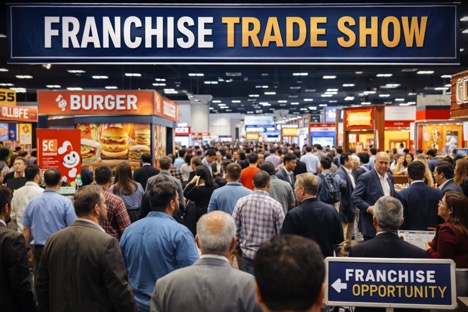





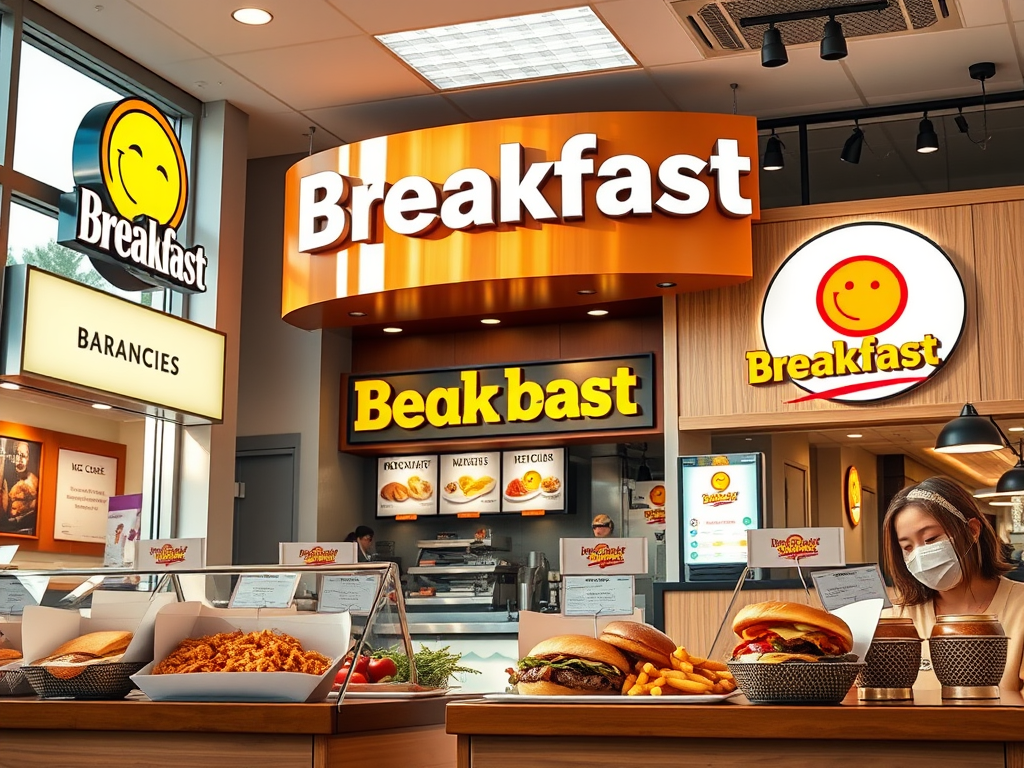

 Franchise Marketing Systems