
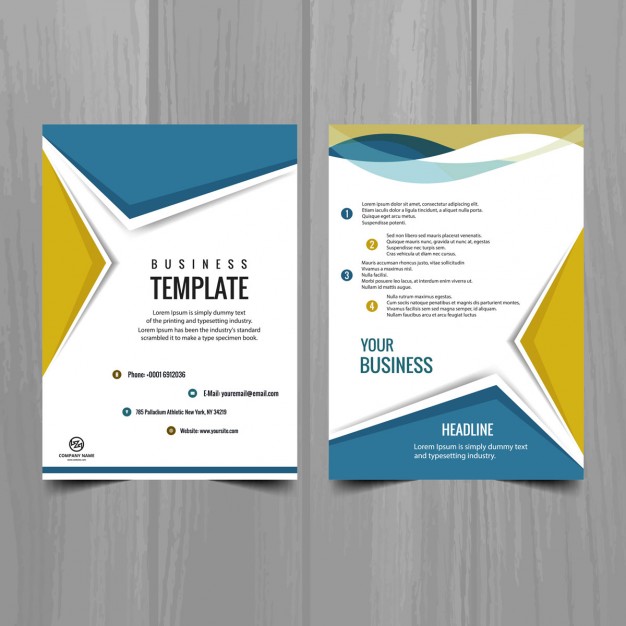

Franchise sales collateral plays a critical role in attracting potential franchisees and conveying essential information about your franchise opportunity. Well-crafted franchise sales collateral can be a powerful tool in your franchise development strategy, making a significant impact on your success in the market. In this guide, we’ll explore how to create outstanding franchise sales collateral that effectively communicates your brand’s value proposition and entices prospective franchisees.
- Understand Your Audience
Before you start designing your franchise sales collateral, it’s crucial to have a deep understanding of your target audience. Prospective franchisees come from various backgrounds and have different motivations for investing in a franchise. Some may be entrepreneurs looking for a new business opportunity, while others might be experienced business owners seeking to diversify their portfolio. Consider conducting market research and creating buyer personas to gain insights into your ideal franchisee profiles.
- Define Your Unique Selling Proposition (USP)
Your franchise’s Unique Selling Proposition (USP) is what sets your brand apart from the competition. It’s the reason why potential franchisees should choose your franchise over others. Your USP should be prominently featured in your sales collateral. Whether it’s a proven business model, a strong brand presence, unique products or services, or a compelling support system, make sure your USP is clear and concise in all your marketing materials.
- Create a Compelling Franchise Brochure
The franchise brochure is often the first point of contact for potential franchisees, so it should be professionally designed and packed with essential information. Here are some key components to include:
- Brand Overview: Provide a brief history of your franchise, including its mission, vision, and core values. Highlight any awards or accolades that demonstrate your brand’s excellence.
- Business Model: Explain the franchise’s business model, including how it operates, revenue streams, and potential profitability. Visual aids like charts and diagrams can make complex concepts more accessible.
- Investment Details: Clearly outline the initial investment required, including franchise fees, equipment costs, and ongoing royalties. It’s crucial to be transparent about all financial aspects.
- Support and Training: Detail the training and support provided to franchisees. This can encompass initial training, ongoing support, marketing assistance, and access to resources.
- Territory and Market Analysis: Show potential franchisees that you’ve done your homework by providing market research and territory analysis. This demonstrates that you’ve chosen locations strategically and have a plan for market growth.
- Testimonials: Include testimonials or success stories from existing franchisees. Authentic testimonials can help build trust and credibility.
- Contact Information: Provide clear and accessible contact information for inquiries and next steps.
- Develop an Informative Franchise Presentation
In addition to a brochure, a presentation can be a valuable tool for communicating your franchise opportunity in a more dynamic way. Here’s how to create an effective franchise presentation:
- Content: Use engaging visuals, statistics, and compelling narratives to reinforce your brand’s value proposition. Highlight the key advantages of your franchise opportunity.
- Structure: Organize your presentation into sections that cover your brand’s history, business model, training and support, financials, and success stories.
- Engage Your Audience: Interactivity can make your presentation more engaging. Consider incorporating videos, quizzes, or Q&A sessions for in-person presentations.
- Customization: Tailor your presentation to the specific interests and concerns of your audience. Address their questions and concerns proactively.
- Consistency: Ensure that your presentation aligns with the content in your franchise brochure and other marketing materials. Consistency in messaging is essential.
- Craft a Convincing Franchise Website
In the digital age, your franchise’s website is often the first point of contact for potential franchisees. Here’s how to create an effective franchise website:
- User-Friendly Design: Design a website that is easy to navigate, mobile-responsive, and visually appealing. Use high-quality images and branding elements to reinforce your brand identity.
- Clear Information: Your website should include all the information found in your franchise brochure, but in a more accessible format. Make sure to feature your USP and investment details prominently.
- Application Process: Streamline the franchise application process by offering online forms and clear calls to action. Make it easy for potential franchisees to express their interest.
- SEO Optimization: Optimize your website for search engines to increase its visibility. Use relevant keywords, create quality content, and improve your site’s loading speed.
- Testimonials and Success Stories: Include case studies and testimonials from successful franchisees to build trust and credibility.
- Blog and Resources: A blog and additional resources can showcase your industry expertise and help potential franchisees stay informed about your brand.
- Utilize Social Media
Social media is an excellent platform for engaging with potential franchisees and building brand awareness. Here’s how to use it effectively:
- Regular Updates: Post regular updates about your franchise, including success stories, industry news, and franchisee spotlights.
- Visual Content: Use eye-catching visuals, including images and videos, to highlight your brand’s strengths and create a compelling narrative.
- Interact with Your Audience: Engage with comments, messages, and inquiries from potential franchisees promptly and professionally.
- Paid Advertising: Consider using targeted paid advertising on platforms like Facebook and LinkedIn to reach potential franchisees in specific demographics.
- Prepare a Franchise Information Packet
In addition to the franchise brochure, consider creating a comprehensive information packet that provides even more detailed information. This packet can be given to serious inquiries or potential franchisees further along in the discovery process. It should include:
- Legal Documents: Include copies of all necessary legal documents, such as the franchise disclosure document (FDD) and the franchise agreement.
- Business Plans: Offer sample business plans or financial projections to help potential franchisees understand the potential for profitability.
- Operational Manuals: Provide excerpts from operational manuals to demonstrate the level of support and guidance you offer.
- Marketing Materials: Share sample marketing materials and campaigns to showcase your branding and marketing support.
- FAQs: Include a comprehensive list of frequently asked questions, along with detailed answers.
- Train Your Sales Team
Your sales team plays a crucial role in the franchise sales process. Ensure they are well-trained and equipped with the necessary knowledge to effectively communicate your franchise opportunity. Provide ongoing training to keep them updated on any changes or improvements in your franchise system.
- Conduct Discovery Days
Discovery Days are a chance for potential franchisees to visit your headquarters or existing locations, meet your team, and get a firsthand look at your franchise operation. This experience can be a significant factor in their decision-making process, as it allows them to evaluate the culture, support, and infrastructure of your brand.
- Encourage Open Communication
Effective communication is key to building trust with potential franchisees. Encourage open and honest communication at every stage of the franchise sales process. Be responsive to inquiries and provide prompt, informative responses. Transparency and professionalism are essential.
- Seek Legal Counsel
Franchise sales involve complex legal requirements. It’s crucial to work with legal counsel who specializes in franchise law to ensure compliance with all relevant regulations and to draft franchise agreements and disclosure documents. Non-compliance can lead to legal issues and damage your brand’s reputation.
- Monitor and Improve
Your franchise sales collateral and overall franchise development strategy should be regularly monitored and evaluated for effectiveness. Seek feedback from franchisees, track the performance of different marketing channels, and make necessary adjustments to continually improve your approach.
Creating great franchise sales collateral is a fundamental aspect of franchise development. It’s an opportunity to showcase your brand’s value proposition, highlight its unique strengths, and persuade potential franchisees to invest in your opportunity. By understanding your audience, emphasizing your USP, and employing a variety of marketing materials and strategies, you can maximize your chances of attracting the right franchise partners. Remember that franchise sales is an ongoing process, and continually refining your approach is essential to achieving long-term success in franchising.
For more information on how to develop franchise sales collateral to sell your franchise, contact Franchise Marketing Systems – FMS: https://www.fmsfranchise.com/about-us/contact/
 Franchise Marketing Systems